
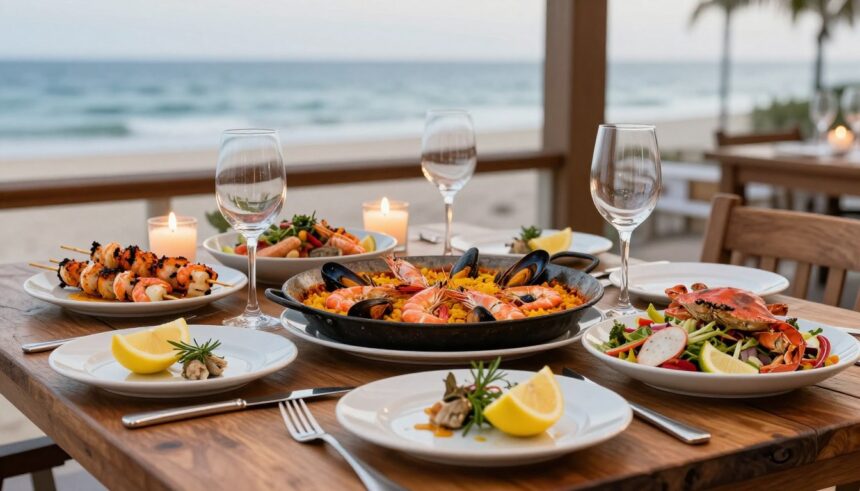
Looking for delicious dinner ideas? Exploring the world of seafood can be a great starting point. With a variety of cooking techniques at your disposal, you can create mouth-watering meals that are sure to impress.
- The Versatility of Seafood in Home Cooking
- Health Benefits of Including Seafood in Your Diet
- Sustainable Seafood Choices for Conscious Consumers
- Selecting the Perfect Seafood for Your Recipes
- How to Identify Fresh Fish at the Market
- Choosing Quality Shellfish
- Frozen vs. Fresh: Making the Right Choice
- Essential Kitchen Tools for Seafood Preparation
- Preparing Seafood Like a Professional Chef
- Cleaning and Filleting Fish Step by Step
- Deveining and Peeling Shrimp Techniques
- How to Clean Clams, Mussels, and Oysters
- Mastering Basic Seafood Cooking Techniques
- Essential Seafood Dish Recipes Every Home Cook Should Know
- Classic Garlic Butter Shrimp
- Perfect Baked Salmon with Lemon and Dill
- Foolproof Fish Tacos with Homemade Slaw
- One-Pot Seafood Meals for Easy Weeknight Dinners
- Impressive Seafood Entrées for Special Occasions
- Lobster Thermidor with Brandy Cream Sauce
- Seared Scallops with Saffron Risotto
- Whole Roasted Branzino with Mediterranean Herbs
- International Seafood Dish Recipes to Expand Your Culinary Horizons
- Safe Handling and Storage of Seafood
- Proper Storage Guidelines to Maintain Freshness
- Cross-Contamination Prevention in Your Kitchen
- Cooking Temperature Recommendations for Food Safety
- Conclusion: Bringing Delicious Seafood Dishes to Your Dinner Table
- FAQ
- What are the health benefits of including seafood in my diet?
- How do I choose sustainable seafood options?
- What are the best ways to store seafood to maintain freshness?
- How do I prevent cross-contamination when handling seafood?
- What are the recommended cooking temperatures for seafood?
- How do I identify fresh fish at the market?
- What are some essential kitchen tools for seafood preparation?
- How do I clean and fillet fish step by step?
- What are some classic seafood dish recipes that every home cook should know?
From succulent shrimp dinners to savory salmon recipes, the options are endless. This article will guide you through the process of preparing flavorful seafood meals, providing you with the inspiration and confidence to experiment with new cooking methods.
Key Takeaways
- Explore various seafood recipes for dinner inspiration
- Learn different cooking techniques to enhance your meals
- Discover new ideas for shrimp and salmon dishes
- Improve your cooking skills with our expert guidance
- Find inspiration for creating delicious and flavorful seafood meals
The Versatility of Seafood in Home Cooking
The versatility of seafood in home cooking is unmatched, providing numerous options for healthy and delicious meals. Seafood can be prepared in a variety of ways, from grilling and baking to sautéing and steaming, making it a versatile ingredient for any meal.
Health Benefits of Including Seafood in Your Diet
Including seafood in your diet can have numerous health benefits. Seafood is rich in omega-3 fatty acids, which are known to improve heart health and reduce inflammation. It’s also an excellent source of protein and various essential nutrients like vitamin D and selenium.
Sustainable Seafood Choices for Conscious Consumers
For conscious consumers, choosing sustainable seafood is crucial. Look for seafood that is certified by organizations such as the Marine Stewardship Council (MSC). Sustainable seafood choices not only help protect marine ecosystems but also ensure the long-term viability of seafood as a food source. Some examples of sustainable seafood include Alaskan salmon and Atlantic mackerel.
Selecting the Perfect Seafood for Your Recipes
To elevate your seafood cooking, it’s essential to know how to pick the perfect seafood. The quality of your seafood dishes heavily relies on the freshness and type of seafood you choose. Whether you’re preparing a simple weeknight dinner or an elaborate dinner party, selecting the right seafood can make all the difference.
How to Identify Fresh Fish at the Market
When selecting fresh fish, look for clear, bright eyes, and vibrant red gills. The flesh should be firm to the touch and have a fresh ocean smell. Avoid fish with dull eyes, soft flesh, or a strong fishy odor. Some popular fresh fish options include salmon, tilapia, and mahi-mahi.
Choosing Quality Shellfish
For shellfish like mussels, clams, and oysters, choose those that are closed or close when tapped. Avoid any that are cracked or open. Fresh shellfish should have a briny smell, not a strong fishy odor. When buying shrimp, look for firm, translucent flesh.
Frozen vs. Fresh: Making the Right Choice
While fresh seafood is often preferred, frozen seafood can be just as good, if not better, in some cases. Frozen seafood is typically frozen immediately after catch, preserving its freshness. Consider the following when deciding between fresh and frozen:
- Seasonality: Fresh seafood may be more available during certain seasons.
- Storage: Frozen seafood can be stored longer.
- Price: Frozen seafood is often more affordable.
Essential Kitchen Tools for Seafood Preparation
The right kitchen tools can make a significant difference in seafood preparation, enhancing both the process and the final product. Having the appropriate equipment ensures that seafood is handled and cooked with care, preserving its delicate flavor and texture.
Must-Have Utensils and Cutting Boards
When it comes to seafood preparation, having the right utensils is crucial. A good quality chef’s knife is essential for filleting fish and preparing other seafood. Additionally, a flexible cutting board can help prevent damage to countertops and make cleanup easier. Other must-have utensils include tongs, slotted spoons, and fish spatulas, which are designed to handle seafood gently and efficiently.
Specialized Equipment Worth the Investment
While basic utensils are necessary, investing in specialized equipment can elevate your seafood cooking experience. A fish scaler removes scales easily, and a shellfish brush helps clean clams and mussels. For more advanced cooking techniques, consider investing in a steamer basket or a seafood grill mat, which can help achieve perfectly cooked seafood every time.
Preparing Seafood Like a Professional Chef
The art of preparing seafood like a professional chef begins with understanding the basics of cleaning and preparing various types of seafood. This foundational knowledge is crucial for creating delicious and visually appealing fish dishes and shrimp recipes.
Cleaning and Filleting Fish Step by Step
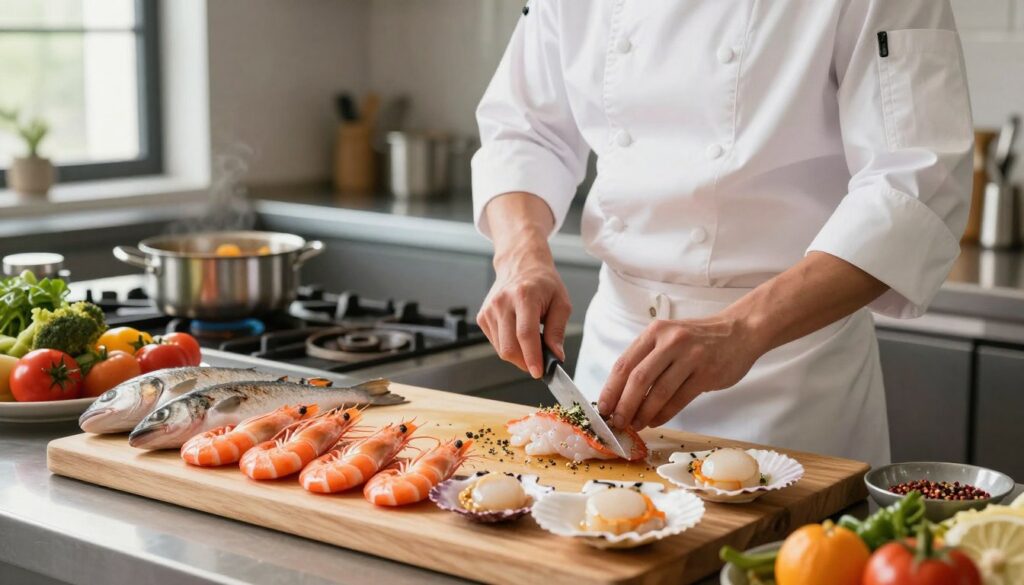
To clean and fillet fish effectively, start by rinsing the fish under cold water to remove any loose scales or debris. Next, make a precise incision along the spine, and carefully separate the fillet from the bones. This technique ensures that your fish is ready for a variety of seafood cooking methods.
Deveining and Peeling Shrimp Techniques
Deveining and peeling shrimp is a straightforward process that enhances the appearance and taste of your shrimp dishes. Begin by removing the shell, then make a shallow incision along the back of the shrimp to expose the vein. Gently pull out the vein, and rinse the shrimp under cold water to complete the preparation.
How to Clean Clams, Mussels, and Oysters
Cleaning clams, mussels, and oysters involves scrubbing their shells under cold running water to remove dirt and grit. For clams and mussels, check for any broken or open shells and discard them. Oysters should be rinsed thoroughly and checked for any fragments of shell. Proper cleaning is essential for safe and enjoyable seafood cooking.
Mastering Basic Seafood Cooking Techniques
The key to cooking great seafood lies in mastering basic techniques that enhance its flavor and texture. By understanding and applying these methods, home cooks can significantly elevate their seafood dishes.
Grilling Seafood to Perfection
Grilling seafood adds a smoky flavor and a tender texture. To grill seafood perfectly, preheat the grill to medium-high heat, brush the seafood with oil, and season with salt, pepper, and any desired herbs. Grilling times vary depending on the type and thickness of the seafood, so it’s essential to monitor the cooking process closely to avoid overcooking.
Pan-Searing for Maximum Flavor
Pan-searing is a technique that locks in the flavors and textures of seafood. Heat a skillet over medium-high heat, add a small amount of oil, and then add the seafood. Searing the seafood for a short time on each side achieves a crispy exterior while keeping the interior tender and moist.
Baking and Roasting Methods
Baking and roasting are healthy and flavorful ways to cook seafood. Preheat the oven to the appropriate temperature, season the seafood as desired, and place it on a baking sheet. Baking times depend on the type of seafood and its thickness.
Poaching and Steaming for Delicate Textures
Poaching and steaming are gentle cooking methods that preserve the delicate texture of seafood. Poaching involves submerging the seafood in liquid (usually water or broth) at a low temperature, while steaming involves cooking it in steam. Both methods are ideal for cooking fish and shellfish without losing their natural flavors.
Essential Seafood Dish Recipes Every Home Cook Should Know
Whether you’re a seafood aficionado or just starting to explore the world of fish and shellfish, having a few key recipes up your sleeve can make all the difference. These dishes are not only delicious but also versatile and relatively easy to prepare, making them perfect for weeknight dinners or special occasions.
Classic Garlic Butter Shrimp
Garlic butter shrimp is a timeless favorite that never fails to impress. To make this dish, you’ll need large shrimp, garlic, butter, lemon juice, and parsley. Simply sauté the garlic in butter until fragrant, add the shrimp, and cook until pink. Finish with a squeeze of lemon and a sprinkle of parsley. This recipe is quick, easy, and packed with flavor, making it a staple in any seafood lover’s kitchen.
Tips for perfection: Use fresh, high-quality shrimp and don’t overcook them to avoid toughness.
Perfect Baked Salmon with Lemon and Dill
Baked salmon is a healthy and flavorful option that’s perfect for a weeknight dinner. To prepare this dish, season salmon fillets with salt, pepper, and your favorite herbs. Drizzle with olive oil and lemon juice, then bake in the oven until cooked through. Fresh dill adds a bright, citrusy flavor that complements the richness of the salmon beautifully.
Enhance the dish by serving with roasted vegetables or a side salad for a well-rounded meal.
Foolproof Fish Tacos with Homemade Slaw
Fish tacos are a fun and flavorful way to enjoy seafood. For this recipe, coat white fish fillets in a light batter and fry until crispy. Serve in tacos with a refreshing slaw made from shredded cabbage, lime juice, and cilantro. This dish is perfect for a casual dinner or a gathering with friends.
Customization tip: Experiment with different types of fish and slaw ingredients to find your favorite combination.
One-Pot Seafood Meals for Easy Weeknight Dinners
Discover the convenience of one-pot seafood meals that make weeknight dinners a breeze. These hearty dishes are not only quick to prepare but also minimize cleanup, making them perfect for busy evenings.
Simplifying Dinner with One-Pot Meals
One-pot seafood meals offer a variety of flavors and textures, all cooked together in a single vessel. This approach to cooking not only saves time but also allows the flavors to meld together, creating rich and satisfying dishes.
New England Clam Chowder
A classic comfort food, New England Clam Chowder is a creamy, flavorful soup that’s easy to make and always a crowd-pleaser. With clams, potatoes, and a touch of cream, this dish is a perfect example of a one-pot meal that’s both nourishing and delicious.
Mediterranean Seafood Stew
The Mediterranean Seafood Stew brings together a variety of seafood such as shrimp, mussels, and fish, cooked in a flavorful broth infused with herbs and lemon. This stew is a vibrant and healthy option for a weeknight dinner.
Cajun Seafood Jambalaya
For those who enjoy a bit of spice, Cajun Seafood Jambalaya is a one-pot wonder that combines shrimp, sausage, and chicken with a bold Cajun seasoning. This dish is a filling and flavorful meal that’s sure to become a family favorite.
These one-pot seafood meals prove that delicious, home-cooked dinners don’t have to be complicated or time-consuming. With a little planning and the right ingredients, you can enjoy a variety of quick dinners that are sure to please everyone at the table.
Impressive Seafood Entrées for Special Occasions
Elevate your dining experience with impressive seafood entrées that are sure to delight your guests. Whether you’re hosting a dinner party or celebrating a milestone, these dishes are sure to impress.
Lobster Thermidor with Brandy Cream Sauce
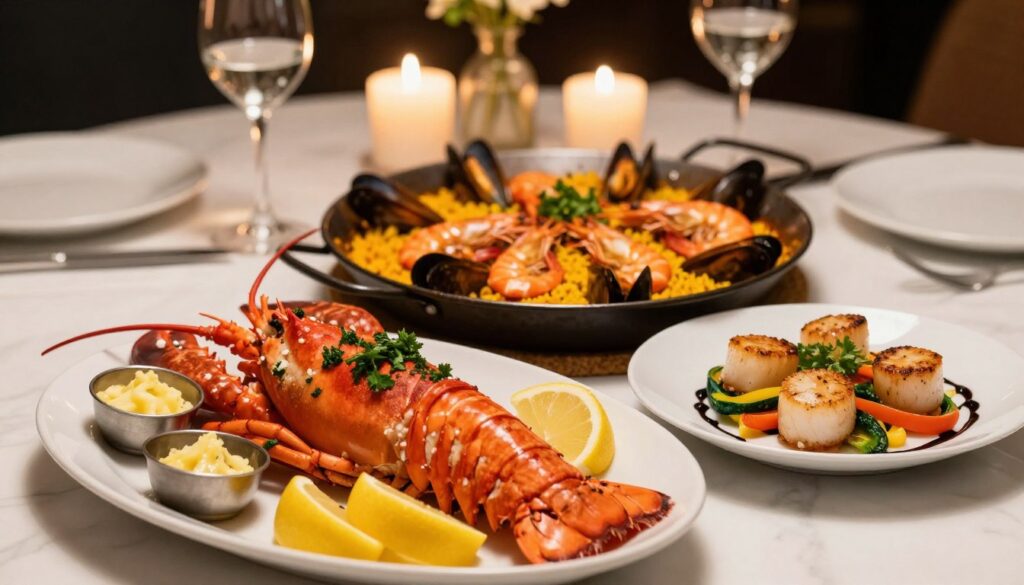
Lobster Thermidor is a classic French dish that exudes luxury and sophistication. To make it, you’ll need lobster tails, brandy, cream, and a blend of cheeses. The key to this dish is cooking the lobster to perfection and balancing the richness of the brandy cream sauce.
Start by preheating your oven to 400°F (200°C). Then, fill the lobster tails with a mixture of butter, garlic, and parsley, and bake until cooked through. Meanwhile, reduce the brandy in a saucepan until almost dry, then add heavy cream and simmer until the sauce thickens. Combine the cooked lobster with the brandy cream sauce and top with cheese before baking until golden brown.
Seared Scallops with Saffron Risotto
Seared scallops paired with saffron risotto make for an elegant and flavorful dish. The key to this recipe is achieving a perfect sear on the scallops and cooking the risotto to a creamy consistency.
Begin by heating Arborio rice in olive oil, then gradually add white wine and cook until absorbed. Continue adding warmed seafood broth, stirring constantly, until the risotto is cooked. Stir in saffron threads and grated Parmesan cheese. Meanwhile, season the scallops with salt and pepper, then sear in a hot skillet with olive oil until golden brown on both sides.
Whole Roasted Branzino with Mediterranean Herbs
Whole roasted Branzino is a stunning centerpiece for any special occasion meal. This Mediterranean-inspired dish is flavored with herbs like thyme, rosemary, and lemon.
To prepare, preheat your oven to 425°F (220°C). Season the Branzino with salt and stuff its cavity with a mixture of herbs, lemon slices, and garlic. Drizzle olive oil over the fish and roast in the oven until cooked through. Serve with a side of roasted vegetables or a simple salad.
| Dish | Main Ingredients | Cooking Method |
|---|---|---|
| Lobster Thermidor | Lobster tails, brandy, cream, cheese | Baked |
| Seared Scallops with Saffron Risotto | Scallops, Arborio rice, saffron, seafood broth | Pan-seared and simmered |
| Whole Roasted Branzino | Branzino, herbs, lemon, garlic | Roasted |
International Seafood Dish Recipes to Expand Your Culinary Horizons
International seafood recipes provide a flavorful journey across different cultures. By exploring these dishes, home cooks can expand their culinary repertoire and impress their guests with diverse flavors and cooking techniques.
Asian-Inspired Seafood Dishes
Asian cuisine offers a rich variety of seafood dishes that are both flavorful and aromatic. Two standout recipes include:
Thai Coconut Curry with Shrimp
This dish combines succulent shrimp with a creamy coconut curry sauce, flavored with lemongrass and Thai chilies. Serve with steamed rice for a satisfying meal.
Japanese Miso-Glazed Black Cod
Miso-glazed black cod is a simple yet elegant dish that showcases the delicate flavor of the fish. The miso paste adds a depth of umami that pairs well with steamed vegetables.
Mediterranean Seafood Classics
The Mediterranean region is renowned for its seafood dishes, often characterized by the use of fresh herbs, olive oil, and citrus. Two classic recipes are:
Spanish Garlic Shrimp (Gambas al Ajillo)
This Spanish tapas dish is quick to prepare and packed with flavor. Shrimp are sautéed in olive oil with garlic and chili flakes, typically served with crusty bread.
Greek Fish with Lemon and Herbs
Greek cuisine often features fish baked with a mixture of lemon juice, olive oil, and herbs like oregano and thyme. This dish is both healthy and delicious, perfect for a light dinner.
Latin American Seafood Favorites
Latin American countries have their own unique seafood traditions, often incorporating local ingredients like lime and cilantro. Two popular dishes are:
Mexican Ceviche with Fresh Lime
Ceviche is a refreshing dish made with raw fish marinated in lime juice, mixed with onions and cilantro. It’s a great option for a light and healthy meal.
Brazilian Moqueca (Coconut Fish Stew)
Moqueca is a flavorful fish stew cooked in coconut milk with spices and palm oil. This dish is rich and comforting, perfect for a special occasion.
Safe Handling and Storage of Seafood
Proper handling and storage are key factors in maintaining the freshness and safety of seafood for consumption. This involves several critical steps that ensure seafood remains in good condition from purchase to preparation.
Proper Storage Guidelines to Maintain Freshness
To keep seafood fresh, it’s essential to store it properly. Fresh fish should be stored in a covered container on ice in the refrigerator at a temperature below 40°F (4°C). Shellfish like clams, mussels, and oysters should be stored in a mesh bag or a covered container, allowing them to breathe. It’s also crucial to keep seafood away from strong-smelling foods, as it can absorb odors easily.
- Store fresh fish on ice in the refrigerator.
- Keep shellfish in a breathable container.
- Avoid storing seafood near strong-smelling foods.
Cross-Contamination Prevention in Your Kitchen
Preventing cross-contamination is vital when handling seafood. This involves separating raw seafood from ready-to-eat foods and using separate cutting boards and utensils for seafood preparation. Hands should be washed thoroughly before and after handling seafood to prevent the spread of bacteria.
Key practices include:
- Separating raw seafood from other foods.
- Using dedicated utensils and cutting boards for seafood.
- Washing hands before and after handling seafood.
Cooking Temperature Recommendations for Food Safety
Cooking seafood to the right temperature is crucial for food safety. Fish should be cooked to an internal temperature of at least 145°F (63°C). For shellfish like shrimp, lobster, and crab, the internal temperature should also reach 145°F (63°C). Using a food thermometer can help ensure that seafood is cooked to a safe temperature.
Conclusion: Bringing Delicious Seafood Dishes to Your Dinner Table
With the variety of seafood recipes and cooking techniques explored in this article, home cooks can now confidently prepare delicious seafood dishes for dinner. From simple weeknight meals to impressive entrées for special occasions, the options are endless.
By mastering basic cooking techniques such as grilling, pan-searing, and baking, and incorporating international flavors, you can elevate your seafood cooking to new heights. Whether you’re looking for dinner ideas that are quick and easy or wanting to try more complex recipes, the seafood dish recipes presented here offer something for everyone.
As you continue to explore the world of seafood, remember to prioritize safe handling and storage practices to maintain the quality and freshness of your ingredients. With these skills and recipes, you’ll be well on your way to creating memorable seafood dinners that will delight family and friends.
FAQ
What are the health benefits of including seafood in my diet?
Seafood is rich in protein, omega-3 fatty acids, and various essential nutrients, making it a great addition to a healthy diet. It can help reduce inflammation, improve heart health, and support brain function.
How do I choose sustainable seafood options?
Look for seafood that is certified by organizations such as the Marine Stewardship Council (MSC) or the Aquaculture Stewardship Council (ASC). These certifications ensure that the seafood is caught or farmed in a way that minimizes environmental impact.
What are the best ways to store seafood to maintain freshness?
Store seafood in a covered container at a temperature below 40°F (4°C). For longer storage, consider freezing. When freezing, make sure to wrap the seafood tightly in plastic wrap or aluminum foil to prevent freezer burn.
How do I prevent cross-contamination when handling seafood?
Always handle seafood separately from other foods, and make sure to clean and sanitize any utensils or surfaces that come into contact with the seafood. Use separate cutting boards and plates to prevent cross-contamination.
What are the recommended cooking temperatures for seafood?
Cook seafood to an internal temperature of at least 145°F (63°C). For specific types of seafood, such as shrimp, cook until they turn pink and are no longer translucent.
How do I identify fresh fish at the market?
Look for fish with clear, bright eyes, shiny scales, and a firm texture. Check the gills for a bright red color, and make sure the fish has a fresh, ocean-like smell.
What are some essential kitchen tools for seafood preparation?
Must-have tools include a good quality chef’s knife, a cutting board, a fish scaler, and a pair of kitchen shears. Specialized equipment like a seafood steamer or a grill mat can also be useful.
How do I clean and fillet fish step by step?
Start by scaling the fish, then make a cut along the spine to release the fillet. Use a pair of tweezers or a fillet knife to remove any pin bones, and rinse the fillet under cold water to remove any remaining scales or blood.
What are some classic seafood dish recipes that every home cook should know?
Some essential recipes include garlic butter shrimp, baked salmon with lemon and dill, and fish tacos with homemade slaw. These dishes are all relatively simple to make and are sure to impress.