

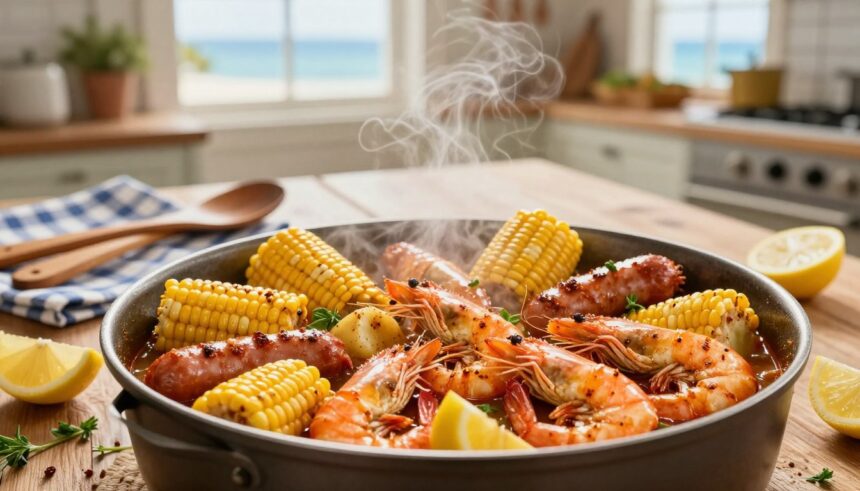
There’s something magical about sharing a meal that makes everyone laugh. You might remember those summer evenings on the porch. The air was filled with salt and excitement.
- 1. What Makes the Perfect Seafood Boil Sauce
- The Foundation of a Memorable Seafood Boil
- Essential Flavor Components That Set Great Sauces Apart
- Why Homemade Beats Store-Bought Every Time
- 2. Essential Ingredients for Your Seafood Boil Sauce
- Butter Base and Fat Components
- Cajun Seasoning and Spice Blend Essentials
- Fresh Aromatics for Maximum Flavor
- Secret Ingredients for Extra Depth
- 3. Easy Seafood Sauce Recipe Step-by-Step Instructions
- Preparation and Mise en Place
- Cooking Process
- Melting Butter and Building the Base
- Incorporating Spices and Seasonings
- Adding Liquids and Achieving Perfect Consistency
- Final Touches and Taste Testing
- 4. Cajun and Louisiana-Style Sauce Variations
- Classic Cajun Seafood Boil Sauce
- Authentic Louisiana-Style Spicy Version
- New Orleans Creole-Inspired Adaptation
- Comparing Regional Differences
- 5. Creating Spicy Garlic Butter and Other Flavor Variations
- Spicy Garlic Butter Seafood Sauce
- Lemon Herb Variation
- Old Bay-Inspired Version
- Mild Family-Friendly Option
- 6. Pro Tips for the Best Sauce for Seafood Boil
- Achieving the Ideal Texture and Consistency
- Balancing Heat, Salt, and Acid
- Timing Your Sauce with Your Seafood Boil
- Emulsification Techniques for Smooth Sauce
- Adjusting Ratios for Different Seafood Types
- 7. Serving Suggestions and Creative Uses
- Traditional Seafood Boil Serving Methods
- Best Shellfish and Fish Pairings
- Complementary Sides and Vegetables
- Beyond the Boil: Alternative Uses for Your Sauce
- 8. Storage, Make-Ahead, and Meal Prep Guidelines
- Proper Refrigeration and Shelf Life
- Freezing Your Homemade Seafood Sauce
- Reheating Without Losing Flavor or Texture
- Batch Cooking for Future Seafood Celebrations
- 9. Troubleshooting Common Seafood Seasoning Mix Issues
- Fixing Separated or Broken Butter Sauce
- Correcting Over-Seasoned or Too-Spicy Sauce
- Solving Texture Problems and Consistency Issues
- Rescuing Bland or Under-Flavored Sauce
- 10. Conclusion
- FAQ
- How long can I safely store a homemade seafood sauce in the refrigerator?
- What is the secret to achieving the best sauce for seafood boil every time?
- Can I use this easy seafood sauce recipe for dipping other foods?
- How do I fix a louisiana-style sauce that has become too salty?
- What is the difference between Cajun and Creole seafood seasonings?
- Can I freeze my seafood boil sauce for future use?
- Why is fresh garlic better than bottled minced garlic for a spicy garlic butter sauce?
- What are the best shellfish pairings for this seasoning?
Everyone waited around a table covered in newspaper. They were all waiting for that signature flavor to arrive.
Finding an easy seafood sauce recipe is like finding a treasure in your kitchen. It turns a simple weekend into a vibrant celebration of flavors. This sauce mixes zesty spices with creamy textures, perfect for any seafood.
You want a dip that sticks to every bite, making it better than the last. We’ve created a guide for a legendary feast. Let’s explore this buttery masterpiece together.
Key Takeaways
- Quick preparation time for busy weeknight hosting.
- Simple ingredients already found in most American pantries.
- Perfectly balanced heat levels for the whole family.
- Versatile pairing options for various shellfish and corn.
- Professional restaurant-quality results achieved at home.
- Easy customization tips for extra spicy or mild preferences.
1. What Makes the Perfect Seafood Boil Sauce
The secret to a memorable seafood boil lies in its sauce. This sauce is a mix of flavors that enhance the seafood’s freshness.
The Foundation of a Memorable Seafood Boil
A great seafood boil starts with bold yet balanced flavors. “The sauce is what brings everything together,” a renowned chef says. It’s the glue that holds the dish.
The foundation of a memorable seafood boil sauce is built on quality ingredients and the right balance of flavors.
Essential Flavor Components That Set Great Sauces Apart
So, what makes a great seafood boil sauce? It’s all about the balance of flavors. A perfect sauce should have spicy, tangy, and rich flavors.
Butter and garlic form a rich base, while Cajun seasoning adds a spicy kick. Fresh herbs like parsley and lemon juice add tanginess, creating a well-rounded flavor profile.
Why Homemade Beats Store-Bought Every Time
Homemade seafood boil sauce is fresher and more customizable than store-bought. When you make it yourself, you can adjust the spice, acidity, and richness to your liking. As a culinary expert notes, “Homemade sauce allows you to control the quality of ingredients and tailor the flavor to your family’s taste preferences.” This personal touch makes all the difference in creating a truly memorable seafood boil experience.
By focusing on these key elements, you can create a best sauce for seafood boil that elevates your dining experience and leaves a lasting impression on your guests.
2. Essential Ingredients for Your Seafood Boil Sauce
Making the perfect seafood boil sauce starts with knowing its key ingredients. A balanced sauce is key to making your seafood boil unforgettable.
Butter Base and Fat Components
The base of a great seafood boil sauce is butter and other fats. Unsalted butter is best because it lets you control the salt. Some recipes add lard or vegetable oil for extra flavor and texture.
Cajun Seasoning and Spice Blend Essentials
Cajun seasoning is vital for the sauce’s unique taste. A good Cajun mix has paprika, garlic powder, onion powder, and cayenne pepper. You can buy a seafood seasoning mix or make your own to match your taste.
Fresh Aromatics for Maximum Flavor
Fresh ingredients like garlic, onions, and lemons add a lot to the sauce. They’re sautéed in butter to bring out their flavors, making the sauce rich and savory.
Secret Ingredients for Extra Depth
For an extra kick, add secret ingredients like Worcestershire sauce or hot sauce. They add depth and heat, making the sauce more exciting. For a true Louisiana-style sauce, use local spices and ingredients.
3. Easy Seafood Sauce Recipe Step-by-Step Instructions
Make a delicious seafood boil sauce with our simple recipe. This guide will help you prepare, cook, and finish your sauce for a tasty flavor.
Preparation and Mise en Place
Start by getting your ingredients ready. This step makes cooking easier and more efficient.
Measuring Your Ingredients Accurately
Getting the right amounts is key for great flavor. Use a digital scale for butter, garlic, and spices.
Prepping Garlic, Onions, and Fresh Herbs
Chop garlic, onions, and herbs like parsley or thyme finely. This helps release their flavors and oils, making your sauce better.
Cooking Process
Now, it’s time to cook your seafood boil sauce.
Melting Butter and Building the Base
Melt butter in a saucepan over medium heat. This creates the sauce’s rich base.
Incorporating Spices and Seasonings
Add your spice blend, like Cajun seasoning, to the melted butter. Stir well to mix.
Adding Liquids and Achieving Perfect Consistency
Slowly add your chosen liquids (like broth or wine) while whisking. This keeps the sauce smooth.
| Ingredient | Quantity | Purpose |
|---|---|---|
| Butter | 1/2 cup | Base of the sauce |
| Garlic | 3 cloves | Adds depth of flavor |
| Cajun Seasoning | 2 tablespoons | Provides spicy flavor |
Final Touches and Taste Testing
After cooking, taste and adjust the seasoning. Add more spices, salt, or acidity if needed.
Your easy seafood sauce recipe is ready to make your seafood boil amazing. For an extra kick, add a spicy garlic butter mix towards the end.
4. Cajun and Louisiana-Style Sauce Variations
Exploring Cajun and Louisiana-style sauce variations can make your seafood boil better. Louisiana’s rich culinary heritage shines through in its seafood boil sauces. Each has its own flavor and regional twist.
Classic Cajun Seafood Boil Sauce
The Classic Cajun Seafood Boil Sauce is a key part of Cajun cooking. It’s known for its bold flavors and spices. It combines Cajun seasoning, butter, garlic, and onions.
This sauce shows how Cajun cooking uses simple ingredients to create deep flavors.
Authentic Louisiana-Style Spicy Version
The Authentic Louisiana-Style Spicy Version adds more heat to the classic Cajun sauce. It uses more hot peppers and spices. This makes it a hit with those who like spicy seafood boils.
As one chef says,
“The key to a great Louisiana-style sauce is balancing the heat with the richness of the butter and the freshness of the herbs.”
New Orleans Creole-Inspired Adaptation
The New Orleans Creole-Inspired Adaptation adds a touch of elegance to the seafood boil sauce. It includes tomatoes, a key ingredient in Creole cooking. It also has herbs and spices that show the city’s cultural mix.
This version adds depth and complexity to the sauce.
Comparing Regional Differences
Comparing Cajun and Louisiana-style sauces shows a rich diversity in flavors and cooking methods. Cajun cuisine is often heartier and more rustic. Louisiana-style sauces, on the other hand, use a wider range of ingredients, showing the state’s cultural diversity.
Knowing these differences helps you choose the right sauce for your seafood boil, whether you like Cajun’s bold flavors or Louisiana’s spicy kick.
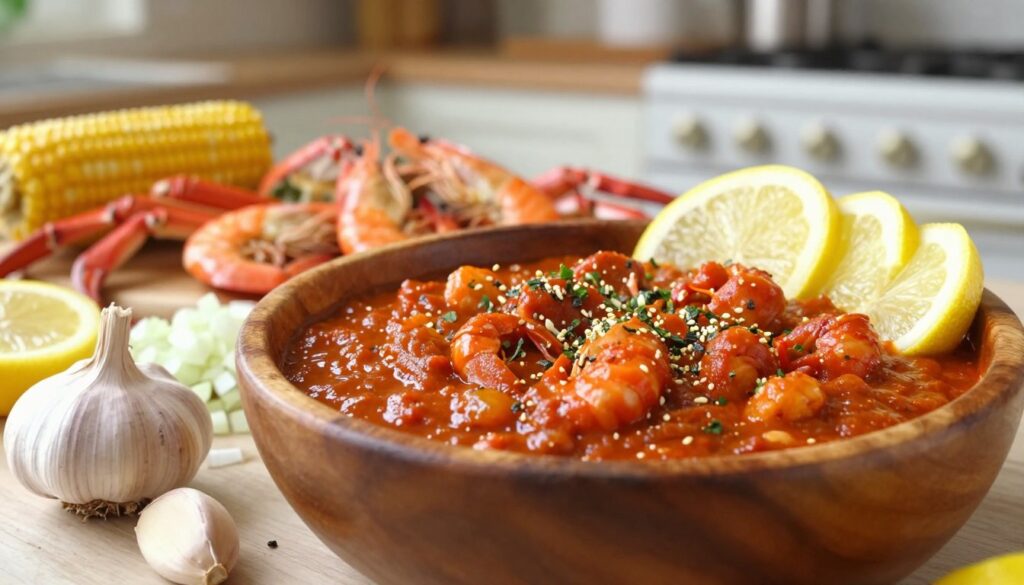
By trying these variations, you can find the perfect sauce for your seafood boil. Whether you prefer Cajun’s bold flavors or Louisiana’s spicy kick, there’s something for everyone.
5. Creating Spicy Garlic Butter and Other Flavor Variations
Seafood boil sauce is super versatile. You can make it spicier or fresher to match your taste. Changing the recipe can make your seafood boil even better.
Spicy Garlic Butter Seafood Sauce
The Spicy Garlic Butter version is a real game-changer. Add more red pepper flakes or use hot sauce like Tabasco for more heat. Roasted garlic adds depth and smokiness.
Lemon Herb Variation
The Lemon Herb version is a fresh twist. It uses fresh lemon juice and herbs like parsley, dill, or thyme. It’s great for a lighter, brighter taste.
Old Bay-Inspired Version
This version is inspired by Old Bay seasoning. It gives the sauce a unique taste. It’s perfect for fans of Maryland-style seafood boils.
Mild Family-Friendly Option
For a milder taste, cut down or skip the spicy parts. Focus on butter and garlic for a rich, family-friendly sauce.
Here’s a comparison of the different variations:
| Variation | Key Ingredients | Flavor Profile |
|---|---|---|
| Spicy Garlic Butter | Red pepper flakes, hot sauce, roasted garlic | Spicy, savory, aromatic |
| Lemon Herb | Lemon juice, parsley, dill, thyme | Fresh, citrusy, herbaceous |
| Old Bay-Inspired | Old Bay seasoning | Classic, slightly spicy, savory |
| Mild Family-Friendly | Butter, garlic | Rich, mild, comforting |
6. Pro Tips for the Best Sauce for Seafood Boil
The secret to a great seafood boil is its sauce. We’ll show you how to make the best sauce for seafood boil. Making a homemade seafood sauce that goes well with your seafood takes some skill and tips.
Achieving the Ideal Texture and Consistency
To get the right sauce consistency, mix butter and liquid well. Start with a roux to make it smooth and velvety. Adjust the butter and liquid mix to get the right thickness.
Balancing Heat, Salt, and Acid
A good seafood boil sauce has the right mix of heat, salt, and acidity. Use spices and hot sauce for heat. Add salt and a bit of lemon juice for balance.
Timing Your Sauce with Your Seafood Boil
Timing is key for serving your seafood boil sauce. Make it just before serving for freshness. If reheating, do it gently to avoid separation.
Emulsification Techniques for Smooth Sauce
To keep your sauce smooth, use emulsification methods. Whisk in cold butter or make a slurry to stabilize it. This makes your sauce creamy and smooth.
Adjusting Ratios for Different Seafood Types
Seafood types need different sauce ratios. Use a light sauce for delicate fish and a richer sauce for shrimp and crab.
Follow these tips to make a homemade seafood sauce that will wow your guests. Try different ingredients and methods to find your best sauce for seafood boil.
7. Serving Suggestions and Creative Uses
Now that you have your seafood boil sauce, let’s explore ways to use it. It’s not just for seafood boils. You can add it to many dishes to make them more flavorful.
Traditional Seafood Boil Serving Methods
A seafood boil is a feast for the senses. Pour the seafood boil sauce over boiled seafood like shrimp, crab, crawfish, and sausage. It’s best enjoyed at a big table where everyone can share.
Best Shellfish and Fish Pairings
The seafood seasoning mix in your sauce goes well with many seafood. Here are some favorites:
- Shrimp
- Crab legs
- Crawfish
- Smoked sausage
- Fish like cod or tilapia
For more pairing ideas, check out this table:
| Seafood Type | Recommended Pairings |
|---|---|
| Shrimp | Smoked sausage, corn on the cob |
| Crab Legs | Red potatoes, garlic bread |
| Crawfish | Boiled eggs, lemon wedges |
Complementary Sides and Vegetables
For your seafood boil, add sides that soak up the seafood boil sauce. Here are some good choices:
- Crusty bread
- Boiled potatoes
- Corn on the cob
- Boiled eggs
“The secret to a great seafood boil is not just the seafood, but the harmony of flavors and textures on the table.”
Beyond the Boil: Alternative Uses for Your Sauce
Use your seafood boil sauce in many dishes, not just boils. It’s great as a dip for mussels or a sauce for grilled fish. It also adds flavor to pasta or as a marinade for chicken or shrimp.
By trying these ideas, you can enjoy your seafood boil sauce in new and exciting ways.
8. Storage, Make-Ahead, and Meal Prep Guidelines
After you’ve made your easy seafood sauce, it’s time to learn how to keep it fresh. Knowing how to store and reheat it is key. This helps keep the flavor and texture of your homemade sauce just right.
Proper Refrigeration and Shelf Life
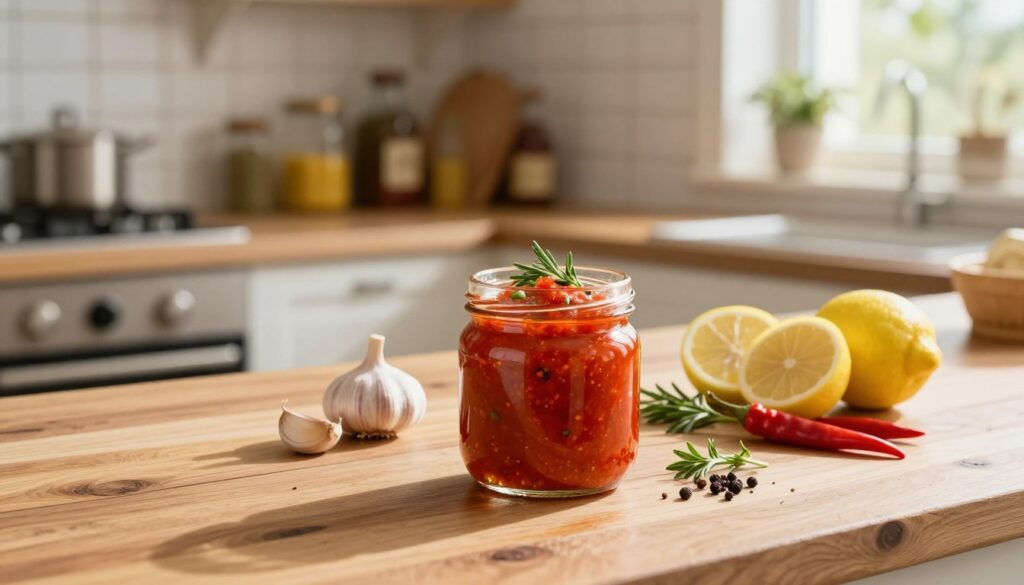
First, let your seafood boil sauce cool down completely. Then, put it in an airtight container. Make sure it’s away from strong-smelling foods to avoid picking up odors. You can store it in the fridge for up to 5 days.
Freezing Your Homemade Seafood Sauce
Freezing is a great way to keep it longer. Pour the cooled sauce into airtight containers or freezer bags. Remember to label them with the date. Store them in the freezer for up to 3 months. Just thaw it in the fridge overnight when you’re ready to use it.
Reheating Without Losing Flavor or Texture
To reheat your sauce, warm it gently over low heat. Whisk constantly to avoid lumps. If it’s too thick, add a bit of water or broth. Don’t boil it to keep its rich texture.
Batch Cooking for Future Seafood Celebrations
Batch cooking is a great way to make more sauce for later. Just multiply the ingredients and follow the same steps. Store it as you would for a single batch. This way, you’ll have sauce ready for your next seafood event.
By following these tips, you can enjoy your homemade seafood sauce at its best. Whether it’s for a spontaneous seafood boil or a planned event, your sauce will be perfect.
9. Troubleshooting Common Seafood Seasoning Mix Issues
Dealing with seafood seasoning mix problems can be a bummer. But, most issues are simple to solve. Whether it’s a sauce that won’t mix, too much seasoning, texture problems, or a flavor that’s off, there are easy fixes to save your seafood boil.
Fixing Separated or Broken Butter Sauce
A broken butter sauce can be a letdown. To fix it, whisk in a bit more butter or heat it gently while stirring. If it’s too cold, it won’t mix right.
Correcting Over-Seasoned or Too-Spicy Sauce
Too spicy or over-seasoned sauce? Add more of the base ingredients like butter or lemon juice. This will help balance the flavor.
Solving Texture Problems and Consistency Issues
Texture problems can be fixed by adjusting cooking time or ingredient ratios. For a thicker sauce, simmer it longer. For a thinner one, add more liquid.
Rescuing Bland or Under-Flavored Sauce
Flavorless sauce? Add more Cajun seasoning or spices. You can also add garlic or onion to boost the taste.
| Issue | Solution |
|---|---|
| Separated sauce | Whisk in more butter or heat gently |
| Over-seasoned | Add more base ingredients |
| Texture issues | Adjust cooking time or ingredient ratio |
| Bland flavor | Add more Cajun seasoning or aromatics |
By tackling these common problems, you can make sure your seafood boil sauce is perfect every time. With a bit of practice and patience, you’ll get the hang of it.
10. Conclusion
A well-crafted seafood boil sauce is the highlight of any seafood boil celebration. We’ve looked at how the right mix of ingredients and techniques can make your seafood experience special.
Learning to make seafood boil sauce can make your dish both tasty and unforgettable. Whether you’re having a backyard seafood boil or just want to add something special to your dinner, the best sauce will impress everyone.
With the easy recipe and tips from this article, you can make a delicious seafood boil sauce. It’s sure to become a favorite in your family. So, get creative and enjoy the rich flavors of your seafood boil sauce.
FAQ
How long can I safely store a homemade seafood sauce in the refrigerator?
Store your homemade seafood sauce in an airtight container. Use Pyrex or Rubbermaid containers for up to five days. If the spicy garlic butter solidifies, reheat it gently over low heat. Stir constantly to keep it smooth and flavorful.
What is the secret to achieving the best sauce for seafood boil every time?
The key to the best sauce for seafood boil is quality fats and fresh aromatics. Use premium unsalted butter like Kerrygold for a rich base. Fresh garlic and onions, sautéed until translucent, add a deep, savory flavor.
Can I use this easy seafood sauce recipe for dipping other foods?
Yes, this easy seafood sauce recipe is versatile. It’s great for dipping French bread, topping grilled corn, or sautéing chicken or veggies. Its bold cajun seasoning makes it perfect for many dishes.
How do I fix a louisiana-style sauce that has become too salty?
If your louisiana-style sauce is too salty, don’t worry. Add more unsalted butter or a splash of unsweetened liquid like chicken broth or heavy cream. A squeeze of fresh lemon juice can also help balance the flavors.
What is the difference between Cajun and Creole seafood seasonings?
Cajun seasoning is spicier, with a focus on peppers and garlic. Creole seasoning includes herbs like thyme and oregano. For a true louisiana-style sauce, try Tony Chachere’s or Slap Ya Mama for that authentic kick.
Can I freeze my seafood boil sauce for future use?
Yes, freeze homemade seafood sauce for up to three months. Pour cooled sauce into Ziploc freezer bags, removing air. Thaw in the fridge overnight and whisk well before reheating to prevent separation.
Why is fresh garlic better than bottled minced garlic for a spicy garlic butter sauce?
Fresh garlic has a sharp, pungent flavor and natural oils. Bottled garlic lacks these, often tasting metallic or sour. Fresh garlic mellows during simmering, creating a sweet and savory sauce.
What are the best shellfish pairings for this seasoning?
This sauce is perfect for Blue Crabs, Gulf Shrimp, and Crawfish. The cajun seasoning clings to the meat, while butter coats add-ins like Andouille sausage and red potatoes.