

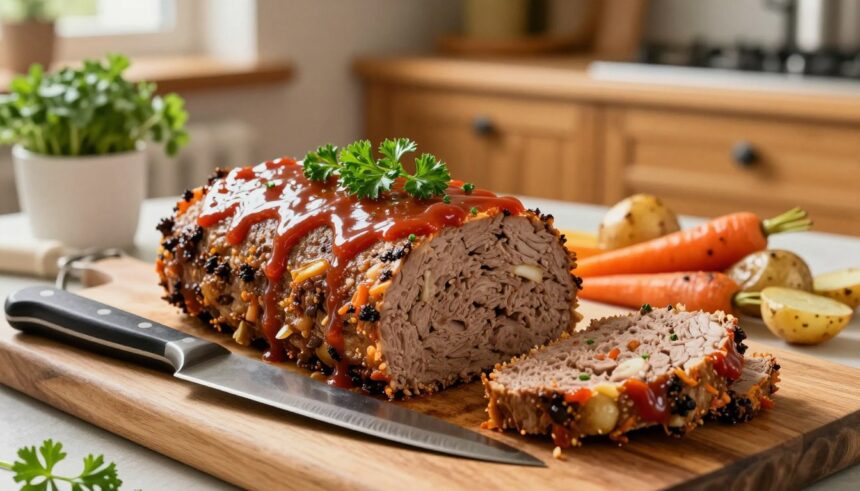
Meatloaf remains one of America’s most beloved comfort foods, offering a hearty and satisfying meal that’s perfect for busy weeknights. Made with lean ground beef, a handful of seasonings, onions, and a sprinkle of breadcrumbs, it’s then baked in the oven with a tasty zesty topping.
- The Appeal of Homemade Meatloaf
- Essential Ingredients for Perfect Meatloaf
- Choosing the Right Ground Meat
- Binding Ingredients: Eggs and Breadcrumbs
- Flavor Enhancers: Onions, Garlic, and Seasonings
- Classic Meatloaf Recipe Easy Enough for Weeknights
- The Perfect Meatloaf Glaze
- Meatloaf Cooking Times and Temperatures
- Recommended Internal Temperature
- Cooking Times Based on Meatloaf Size
- How to Tell When Your Meatloaf is Done
- Meatloaf Recipes Easy Variations
- Loaf Pan vs. Baking Sheet: Which Method is Better?
- Common Meatloaf Mistakes to Avoid
- Make-Ahead Meatloaf Tips
- Storing and Reheating Leftover Meatloaf
- Creative Ways to Use Leftover Meatloaf
- Perfect Side Dishes to Serve with Meatloaf
- Conclusion
- FAQ
- What is the best type of ground beef to use for a classic meatloaf?
- Can I prepare meatloaf in advance, and if so, how far in advance?
- How do I prevent my meatloaf from becoming too dense or dry?
- What are some creative ways to use leftover meatloaf?
- Can I use a loaf pan to bake my meatloaf, and what are the benefits?
- How do I achieve a sticky, caramelized glaze on my meatloaf?
This comprehensive guide will explore various meatloaf recipes that are easy to prepare yet deliver exceptional flavor. Whether you’re a novice cook or an experienced home chef, these meatloaf ideas will become staples in your dinner rotation.
Key Takeaways
- Discover the secrets to making the best meatloaf recipe that your family will love.
- Learn professional techniques for achieving the perfect texture and juiciness.
- Explore creative variations of meatloaf that will please even the pickiest eaters.
- Find out how to make a delicious loaf with simple ingredients.
- Get tips on how to add a zesty topping to your meatloaf.
The Appeal of Homemade Meatloaf
Homemade meatloaf has a timeless appeal that transcends generations, offering a comforting meal that’s both simple and satisfying. This classic dish is more than just a meal; it’s an experience that brings families together.
Why Meatloaf Remains a Classic Comfort Food
Meatloaf has endured as a comfort food staple because it combines simplicity with hearty satisfaction. The nostalgia associated with meatloaf is strong, reminding many of family dinners and home-cooked meals from their childhood. It’s a dish that evokes feelings of warmth and comfort.
Benefits of Making Meatloaf at Home
Making meatloaf at home offers several benefits, including control over ingredients, ensuring a healthier meal compared to processed alternatives. Homemade meatloaf is also a great value, transforming affordable ingredients into a substantial meal that often provides delicious leftovers. Additionally, its versatility makes it adaptable to various dietary preferences and available ingredients.
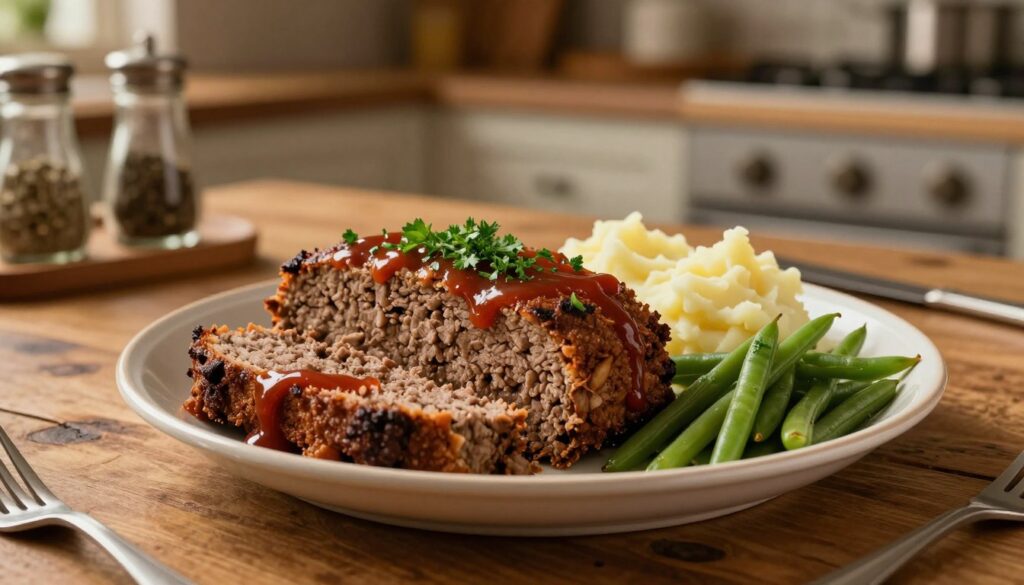
Essential Ingredients for Perfect Meatloaf
The foundation of a great meatloaf is built on the essentials: ground meat, binding agents, and flavor enhancers. A well-crafted meatloaf requires a thoughtful selection of ingredients to achieve the perfect balance of taste and texture.
Choosing the Right Ground Meat
For a juicy meatloaf, it’s crucial to select the right ground beef. Opt for 80% or 85% lean meat to ensure moisture and flavor. You can also mix in other meats like turkey or Italian sausage for added depth.
Binding Ingredients: Eggs and Breadcrumbs
Breadcrumbs and eggs work together to bind the meatloaf, holding it together while keeping it tender. Panko or Italian breadcrumbs are good options, and you can also use gluten-free alternatives.
Flavor Enhancers: Onions, Garlic, and Seasonings
Onion and garlic add a rich flavor profile, while Italian seasoning, salt, and pepper enhance the natural flavors. A dash of Worcestershire sauce can also add complexity to your meatloaf.

Classic Meatloaf Recipe Easy Enough for Weeknights
For a quick and satisfying dinner, consider making a classic meatloaf that’s both easy to prepare and packed with flavor. This timeless comfort food can be made with minimal effort, making it perfect for busy weeknights.
Ingredient List
The ingredients for this easy meatloaf recipe include ground beef, breadcrumbs, eggs, and basic seasonings, most of which are pantry staples. To start, you’ll need 1 pound of ground beef, 1/2 cup of breadcrumbs, 1 egg, 1/4 cup of milk, 1/2 teaspoon of salt, 1/4 teaspoon of black pepper, and 1/4 teaspoon of paprika.
Step-by-Step Mixing Instructions
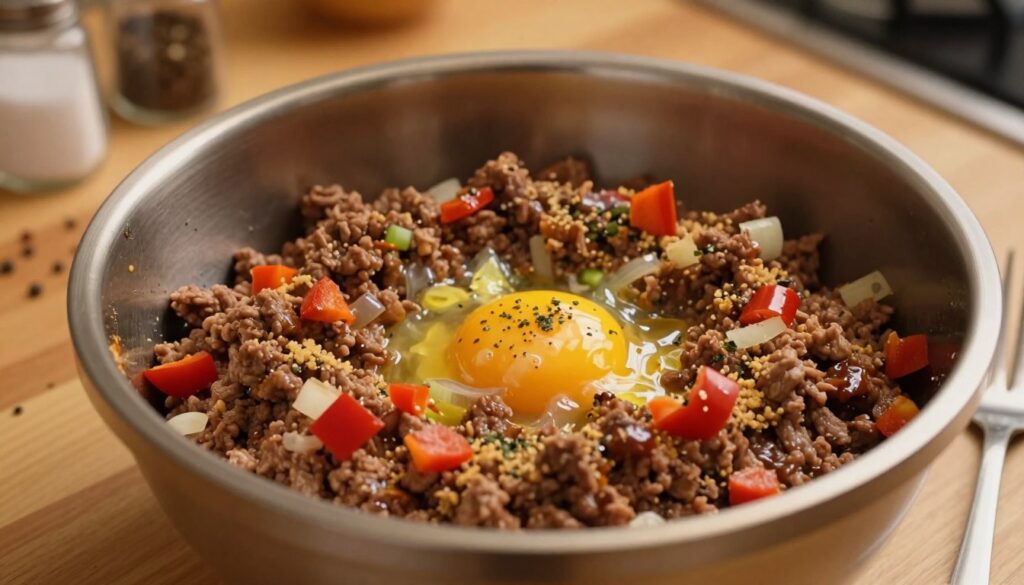
To make the meatloaf mixture, begin by sautéing onions until they’re softened and golden. Then, in a large bowl, combine the ground beef, sautéed onions, breadcrumbs, egg, milk, salt, pepper, and paprika. Mix everything together with your hands or a spoon until just combined. Be careful not to overmix, as this can result in a dense meatloaf.
Shaping and Baking Directions
Shape the meat mixture into a loaf about 8 inches long, 4 inches wide, and 3 inches tall on a rimmed baking sheet lined with parchment paper or foil. Bake uncovered at 350°F for 40 minutes, or until the meatloaf is cooked through and the internal temperature reaches 160°F.
The Perfect Meatloaf Glaze
To take your meatloaf to the next level, a perfectly balanced glaze is essential. A great glaze not only enhances the flavor but also helps seal in moisture, contributing to a juicier final product.
Sweet and Tangy Ketchup Glaze
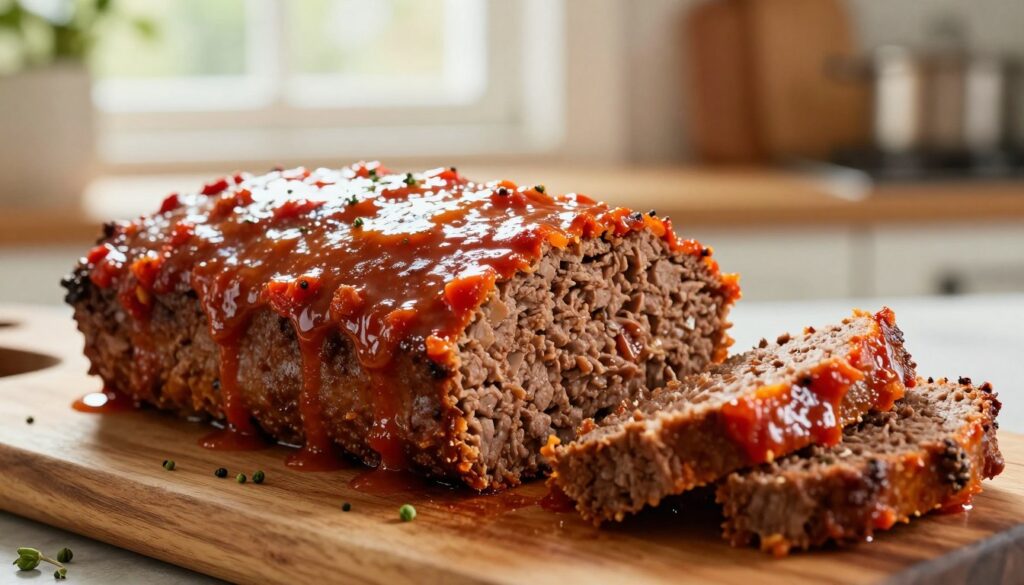
A classic sweet and tangy ketchup glaze combines ketchup with a touch of vinegar and seasonings for a bright, zesty finish that balances the richness of the meatloaf. To make it, mix ketchup, white vinegar, brown sugar, garlic powder, and onion powder.
Brown Sugar and Vinegar Variation
The brown sugar and vinegar variation adds depth with its molasses notes while maintaining the perfect balance of sweetness and acidity. Applying the sauce during the final stage of baking prevents burning while allowing it to thicken and caramelize beautifully, creating a delicious sauce that complements the meatloaf.
Meatloaf Cooking Times and Temperatures
To cook a meatloaf that’s both safe to eat and tender, you need to get the temperature and cooking time right. Cooking meatloaf to the perfect doneness requires attention to its internal temperature and the oven temperature.
Recommended Internal Temperature
The recommended internal temperature for a beef meatloaf is 160°F. This temperature ensures that harmful bacteria are eliminated while maintaining the meatloaf’s juiciness. For ground turkey or chicken, the internal temperature should reach 165°F.
Cooking Times Based on Meatloaf Size
Cooking times vary based on the size of your meatloaf. Here are some general guidelines for cooking at 350°F:
| Meatloaf Size | Cooking Time |
|---|---|
| 1 lb | 45 minutes |
| 2 lb | 55 minutes |
| 3 lb | 1 hour & 20 minutes |
How to Tell When Your Meatloaf is Done
The most reliable way to test for doneness is by inserting an instant-read thermometer into the thickest part of the meatloaf. Remove it from the oven when it reaches the recommended internal temperature. Letting it rest after cooking allows the juices to redistribute, making the meatloaf more tender.
Meatloaf Recipes Easy Variations
The beauty of meatloaf lies in its adaptability, allowing for countless variations. This classic comfort food can be easily modified to suit different tastes and preferences, making it a versatile option for any meal.
Italian-Style Meatloaf
Italian-style meatloaf incorporates ingredients like Italian seasoning, parmesan cheese, and sun-dried tomatoes, giving it a Mediterranean twist. You can also add some Italian sausage to enhance the flavor. This variation is perfect for those who love Italian cuisine and want to add a new dimension to their meatloaf.
BBQ Meatloaf
For a BBQ meatloaf, smoky barbecue sauce is used both in the meat mixture and as a glaze, creating a bold flavor profile. This variation is ideal for summer dinners and outdoor gatherings. The sauce adds a tangy and sweet element that complements the ground beef perfectly.
Stuffed Meatloaf Ideas
Stuffed meatloaf takes the dish to new heights by incorporating fillings like cheese, spinach, or roasted peppers inside the loaf. This surprising element adds texture and flavor, making it a great option for those looking to innovate their meatloaf recipes. You can experiment with different fillings to find your favorite combination.
| Meatloaf Variation | Key Ingredients | Flavor Profile |
|---|---|---|
| Italian-Style | Italian seasoning, parmesan cheese, sun-dried tomatoes | Mediterranean, savory |
| BBQ | Barbecue sauce, ground beef | Smoky, tangy, sweet |
| Stuffed | Cheese, spinach, roasted peppers | Rich, varied, textured |
By experimenting with different ingredients and flavors, you can make meatloaf a new and exciting dish every time. Whether you prefer a classic recipe or something more innovative, the versatility of meatloaf ensures that it remains a staple in your kitchen.
Loaf Pan vs. Baking Sheet: Which Method is Better?
When it comes to cooking meatloaf, the choice between using a loaf pan and a baking sheet can significantly impact the final result. The decision affects not only the texture but also the cooking time and overall presentation of the dish.
Benefits of Using a Loaf Pan
Using a loaf pan provides structure to the meatloaf, helping it maintain a classic rectangular shape. This method is ideal for those who prefer a traditional meatloaf appearance. The pan contains the meatloaf, making it easier to slice and serve.
Advantages of Free-Form Meatloaf on a Baking Sheet
Cooking meatloaf on a baking sheet allows for the development of a crispy crust around the loaf due to increased exposure to heat. This method also enables fat to render away from the meat, resulting in a less greasy final product. Additionally, it reduces cooking time by approximately 15-20% compared to using a loaf pan.
As noted by cooking experts, “Using a baking sheet instead of a loaf pan can elevate your meatloaf game by providing a crispy exterior and a tender interior.” This method is a game-changer for meatloaf enthusiasts looking to enhance the texture and flavor of their dish.
Common Meatloaf Mistakes to Avoid
The key to a delicious meatloaf lies in avoiding the most common pitfalls. By understanding these mistakes, you can significantly improve your meatloaf’s texture and flavor.
Overmixing the Meat Mixture
Overmixing is perhaps the most frequent error when making meatloaf. It results in a dense, tough texture rather than the tender consistency that defines great meatloaf. To avoid this, gently combine the ingredients until they just come together.
Skipping the Rest Period
Skipping the rest period after baking prevents the juices from redistributing throughout the meat, leading to a drier meatloaf. Resting the meatloaf for 10-15 minutes before slicing allows the juices to redistribute, making it more tender and flavorful.
Using Too Lean Ground Beef
Using ground beef that’s too lean (over 90% lean) sacrifices flavor and moisture. The fat content is crucial for a juicy, flavorful result. Opting for 80/20 ground beef provides great flavor without making it greasy.
| Common Mistake | Result | Solution |
|---|---|---|
| Overmixing the mixture | Tough, dense meatloaf | Gently combine ingredients |
| Skipping rest period | Dry, falling apart meatloaf | Rest for 10-15 minutes |
| Using too lean ground beef | Dry, flavorless meatloaf | Use 80/20 ground beef |
Make-Ahead Meatloaf Tips
One of the best advantages of meatloaf is its ability to be prepared in advance, making it a perfect dish for busy weeknights. Preparing your meatloaf ahead of time allows the flavors to meld together, resulting in a more complex and satisfying taste.
Preparing Meatloaf in Advance
You can prepare meatloaf as directed, cover it with plastic wrap, and store it in the refrigerator up to a day before baking. Before baking, remove the meatloaf from the fridge and let it sit at room temperature for 30 minutes to ensure even cooking.
Freezing Raw and Cooked Meatloaf
Raw meatloaf can be frozen for up to three months. To freeze, place the meatloaf in a loaf pan lined with plastic wrap or form it into a loaf shape on a baking sheet. Once frozen, transfer it to a freezer-safe bag. Cooked meatloaf can also be frozen in individual slices, making it easy to reheat only what you need. Simply thaw overnight in the refrigerator and reheat as needed.
Storing and Reheating Leftover Meatloaf
Leftover meatloaf can be just as delicious as freshly baked, if stored and reheated properly. To enjoy your meatloaf for days to come, it’s crucial to follow proper storage and reheating guidelines.
Refrigeration Guidelines
Store leftover meatloaf in an airtight container in the refrigerator for up to four days. Ensure it’s wrapped tightly in plastic wrap or aluminum foil to maintain freshness.
Freezing Methods for Maximum Freshness
For longer storage, consider freezing your meatloaf. Slice the loaf first for easier thawing, then wrap individual slices in foil and place them in freezer-safe zip bags. Frozen meatloaf can be stored for up to three months.
Best Ways to Reheat Meatloaf
To reheat, thaw frozen meatloaf in the refrigerator overnight. Then, reheat it in a preheated oven at 325°F, covered with foil, until warmed through. Alternatively, use a microwave for quicker reheating, though the time may vary based on your microwave’s power.
| Storage Method | Duration | Reheating Method |
|---|---|---|
| Refrigerator | Up to 4 days | Oven or Microwave |
| Freezer | Up to 3 months | Oven (after thawing) |
Creative Ways to Use Leftover Meatloaf
Breathing new life into leftover meatloaf is easier than you think with these ideas. Instead of eating the same meal multiple times, you can transform it into entirely new dishes.
Leftover meatloaf can be repurposed in various creative ways. For instance, you can make meatloaf sandwiches by pairing slices of cold or reheated meatloaf with your favorite condiments between bread for a satisfying lunch.
Meatloaf Sandwiches
A classic use for leftover meatloaf is in sandwiches. Simply slice the meatloaf, add your preferred toppings or condiments, and serve on a crusty bread.
Crumbled Meatloaf in Pasta or Tacos
Crumbling leftover meatloaf into pasta sauce or using it as a taco filling introduces the seasoned beef into new cuisine contexts, creating efficient meal solutions. This method not only reduces waste but also adds variety to your meals.
Meatloaf Patty Melts
Elevate the basic sandwich by turning leftover meatloaf into patty melts. Add caramelized onions and melted cheese on grilled bread for a diner-inspired treat that’s sure to please.
Here are some ideas summarized in a table:
| Dish | Description | Meal Type |
|---|---|---|
| Meatloaf Sandwiches | Slices of meatloaf with condiments between bread | Lunch |
| Crumbled Meatloaf | Meatloaf crumbled into pasta sauce or taco filling | Dinner |
| Meatloaf Patty Melts | Meatloaf with caramelized onions and cheese on grilled bread | Lunch/Dinner |
By getting creative with leftover meatloaf, you can enjoy a variety of meals without the monotony of eating the same dish repeatedly. These ideas not only reduce food waste but often result in dishes that are enjoyed even more than the original meatloaf.
Perfect Side Dishes to Serve with Meatloaf
To create a balanced and satisfying meal, it’s essential to choose the right side dishes to serve with meatloaf. The right side dishes complement meatloaf’s hearty character while creating a comforting meal for the entire family.
Classic Potato Sides
Classic potato sides are a staple that pairs well with meatloaf. Options like creamy mashed potatoes, crispy roasted potatoes, or baked potatoes provide the starchy component that traditionally accompanies meatloaf.
Vegetable Pairings
Vegetable pairings such as green beans, roasted carrots, or steamed broccoli add nutritional value and color contrast to the plate, making the meal more appealing.
Bread and Salad Options
Bread options including dinner rolls, garlic bread, or cornbread offer additional comfort food elements that soak up the meatloaf’s savory juices. Salads like coleslaw or Caesar salad also complement meatloaf nicely.
Conclusion
Mastering meatloaf recipes can elevate your home cooking to new heights. The versatility of meatloaf recipes allows for endless customization, making it a perennial favorite. Whether you bake in a traditional loaf pan or on a baking sheet, the techniques for achieving the perfect texture and flavor remain consistent. By understanding the role of each ingredient, you can create a meatloaf that suits your family’s preferences. With proper storage and creative repurposing of leftovers, a single meatloaf can provide multiple satisfying meals, making it a practical and beloved dish in American home cooking.
FAQ
What is the best type of ground beef to use for a classic meatloaf?
For a juicy and flavorful meatloaf, it’s recommended to use ground beef with a fat content of around 80/20 or 85/15. This balance of lean meat and fat ensures the meatloaf stays moist and tender.
Can I prepare meatloaf in advance, and if so, how far in advance?
Yes, you can prepare meatloaf ahead of time. You can mix the ingredients and shape the loaf up to a day in advance, storing it in the refrigerator overnight. Alternatively, you can freeze the shaped meatloaf for up to 3 months and thaw it when you’re ready to bake.
How do I prevent my meatloaf from becoming too dense or dry?
To avoid a dense or dry meatloaf, avoid overmixing the meat mixture, as this can cause the proteins to bind too tightly. Also, ensure you’re not overbaking the meatloaf. Use a thermometer to check for an internal temperature of 160°F (71°C).
What are some creative ways to use leftover meatloaf?
Leftover meatloaf can be repurposed in various dishes, such as meatloaf sandwiches, crumbled into pasta or tacos, or used in patty melts. You can also slice it thinly and serve it with mashed potatoes and gravy.
Can I use a loaf pan to bake my meatloaf, and what are the benefits?
Using a loaf pan can help maintain the shape of your meatloaf and promote even cooking. It also makes it easier to slice the meatloaf after it’s cooked. However, baking on a sheet pan allows for crisper edges and a more caramelized crust.
How do I achieve a sticky, caramelized glaze on my meatloaf?
To achieve a sticky glaze, brush your meatloaf with a mixture of ketchup, brown sugar, and spices during the last 20-30 minutes of baking. This will caramelize and stick to the meatloaf, adding flavor and texture.