

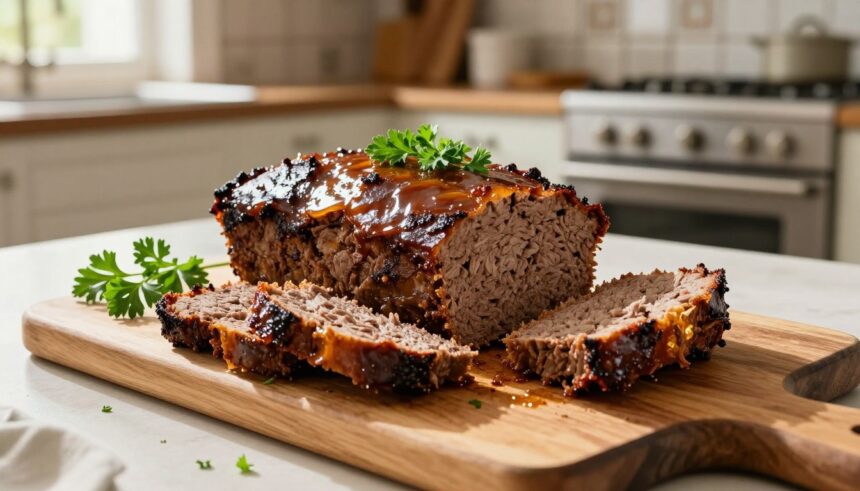
There’s something special about a warm, savory homemade meatloaf from the oven. It brings back memories of family dinners and cozy nights by the fireplace. For many, it’s a staple of home cooking, offering a hearty, satisfying meal that’s easy to make and loved by all.
- The History and Appeal of Classic Meatloaf
- Essential Ingredients for the Perfect Meatloaf Recipe
- Kitchen Tools and Equipment You’ll Need
- Preparing Your Kitchen for Meatloaf Success
- Step-by-Step Meatloaf Recipe
- Creating the Perfect Meatloaf Glaze
- Cooking Your Homemade Meatloaf to Perfection
- Troubleshooting Common Meatloaf Problems
- Delicious Meatloaf Variations to Try
- Perfect Side Dishes to Serve with Your Meatloaf
- Storing and Reheating Leftover Meatloaf
- Conclusion: Mastering the Art of Homemade Meatloaf
- FAQ
- What is the best type of meat to use for a homemade meatloaf?
- How do I prevent my meatloaf from becoming too dry?
- What is the ideal internal temperature for a cooked meatloaf?
- Can I make a meatloaf ahead of time and refrigerate or freeze it?
- How do I achieve a nice glaze on my meatloaf?
- What are some common mistakes to avoid when making a homemade meatloaf?
- Can I customize my meatloaf recipe with different ingredients and flavors?
Making the perfect meatloaf is more than just mixing ingredients. It’s about creating a dish that’s both flavorful and tender. With the right ingredients and a simple cooking process, you can make a deliciously moist oven-baked meatloaf that becomes a family favorite.
Key Takeaways
- Easy-to-follow steps for making a delicious homemade meatloaf
- Essential ingredients for a classic meatloaf recipe
- Tips for achieving a moist and flavorful oven-baked meatloaf
- Variations to customize your meatloaf to your taste
- Common mistakes to avoid when making a homemade meatloaf
The History and Appeal of Classic Meatloaf
The classic meatloaf recipe has been a staple in American cuisine for many years. It brings back memories of family dinners and comfort food. But what makes this dish so beloved?
American Comfort Food Origins
Meatloaf’s history goes back to the early 20th century. It became a practical and filling meal for American families. Influenced by European cuisine, especially German and Scandinavian, it was a common dish.
During the Great Depression, meatloaf became even more popular. It was made with fillers like breadcrumbs and eggs to stretch the meat.
Why Meatloaf Remains a Family Favorite
So, why do families love traditional meatloaf? It’s because of its versatility and the emotional connections it creates. You can add different ingredients and sauces to suit everyone’s taste.
Meatloaf is also linked to warmth, comfort, and family bonding. It’s a dish that touches many hearts.
| Factors Contributing to Meatloaf’s Popularity | Description |
|---|---|
| Versatility | Can be customized with various ingredients and sauces |
| Emotional Connection | Associated with warmth, comfort, and family bonding |
| Affordability | Made with affordable ingredients, making it budget-friendly |
Essential Ingredients for the Perfect Meatloaf Recipe
Creating the perfect meatloaf starts with the right ingredients. A great meatloaf is a mix of flavors and textures. It’s both comforting and satisfying.
Meat Selection and Ratios
The type and ratio of meat in your meatloaf matter a lot. For a classic, use ground beef as the main ingredient.
Ground Beef Options
Ground beef comes in different ratios like 80/20, 85/15, and 90/10. The higher fat content makes your meatloaf juicier.
Adding Other Meats
Adding meats like ground pork, veal, or sausage can make your meatloaf better. It adds depth and texture.
Binding Ingredients
Binding ingredients are key. They keep your meatloaf together, so it doesn’t fall apart when cooked.
Eggs and Breadcrumbs
Eggs are a main binder. Breadcrumbs absorb moisture and add texture. Together, they make a cohesive meatloaf.
Milk and Other Liquids
A little milk or other liquids keep your meatloaf moist. But don’t add too much, or it’ll be too wet.
Aromatics and Seasonings
Aromatics and seasonings let you make your meatloaf your own. They match your taste preferences.
Onions, Garlic, and Herbs
Onions and garlic add flavor. Herbs like parsley or thyme add freshness and complexity.
Spice Combinations
Try different spice combinations to make your meatloaf stand out. Paprika, cumin, or chili powder can add a unique flavor.
By choosing and balancing these ingredients, you’ll make a delicious meatloaf. It’s sure to be a family favorite.
Kitchen Tools and Equipment You’ll Need
Before you start making your meatloaf, it’s essential to have the right kitchen tools and equipment. Having the proper tools can make the preparation process smoother and more efficient.
Loaf Pans vs. Freeform Shaping
One of the first decisions you’ll need to make is whether to use a loaf pan or shape your meatloaf freeform. A loaf pan helps maintain the meatloaf’s shape and can make slicing easier, while freeform shaping allows for a crispy crust on the outside. Consider your preference when choosing between these two methods.
Mixing Bowls and Utensils
You’ll need a large mixing bowl to combine your ingredients. A sturdy bowl that can withstand vigorous mixing is ideal. Additionally, you’ll need utensils like a wooden spoon or spatula for mixing, and possibly your hands for a more thorough mix.
Temperature Tools
A meat thermometer is a crucial tool for ensuring your meatloaf is cooked to a safe internal temperature. This is especially important for meatloaf, as undercooking can lead to food safety issues.
Preparing Your Kitchen for Meatloaf Success
To make sure your cooking goes smoothly, getting your kitchen ready is key. A tidy kitchen makes cooking easier and helps you make a great homemade meatloaf.
Setting Up Your Workspace
Clear your countertops and make sure you have all the tools you need. You’ll need mixing bowls, utensils, and a loaf pan or baking sheet to shape your meatloaf.
Preheating and Rack Positioning
Heat your oven to about 375°F (190°C) for a homemade meatloaf. It’s important to put the rack in the middle. This lets air circulate around the meatloaf for even cooking.
Mise en Place for Stress-Free Cooking
Mise en place means having all your ingredients ready before you start cooking. For your homemade meatloaf, this means measuring out spices, chopping onions, and getting ready any other ingredients you need.
| Task | Purpose |
|---|---|
| Clearing countertops | Reduces clutter and risk of accidents |
| Preheating oven | Ensures the oven is at the correct temperature |
| Mise en place | Streamlines the cooking process and reduces stress |
Step-by-Step Meatloaf Recipe
Making a tasty meatloaf is easy with our guide. This easy meatloaf recipe will help you make a oven-baked meatloaf loved by all.
Measuring and Preparing Ingredients
First, get all your ingredients ready. It’s important to measure them right for the best taste.
Chopping Vegetables
Chop onions, bell peppers, and other veggies finely. This makes sure they mix well in your meatloaf.
Measuring Dry and Wet Ingredients
Measure dry stuff like breadcrumbs and spices. Also, get your wet ingredients like eggs and ketchup ready.
Mixing Technique
Mix your ingredients gently. This keeps the meat loose and prevents it from getting too dense.
Avoiding Overmixing
Stop mixing when everything is just combined. Too much mixing can make your meatloaf tough.
Testing for Consistency
Check if your meat mixture holds a shape. It should stick together but not be too hard.
Shaping Your Meatloaf
You can shape your meatloaf in a loaf pan or on a baking sheet.
Loaf Pan Method
A loaf pan keeps your meatloaf’s shape and makes slicing easy.
Freeform Shaping on Baking Sheet
Shaping it freeform on a baking sheet lets it brown evenly on all sides.
Follow these steps to make a delicious oven-baked meatloaf with our easy meatloaf recipe. Enjoy making and eating it!
Creating the Perfect Meatloaf Glaze
Making the perfect meatloaf glaze is an art. It’s all about mixing flavor and looks. A great glaze can take your classic meatloaf recipe to the next level.
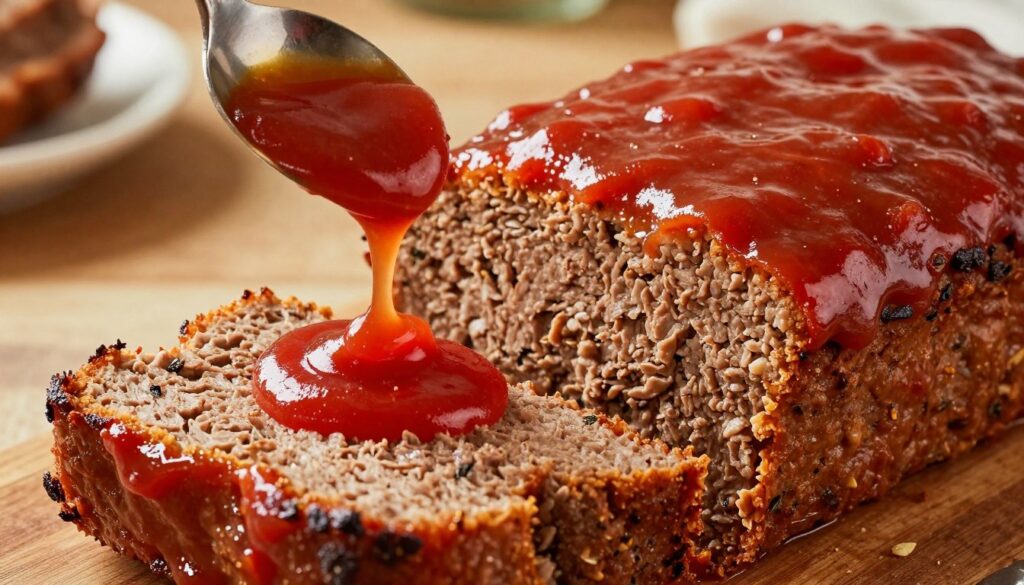
Classic Ketchup-Based Glaze
A traditional glaze uses ketchup, brown sugar, and spices. This mix is sweet and tangy. It’s brushed on the meatloaf when it’s almost done baking. This creates a delicious, caramelized crust.
Alternative Glaze Options
Want something different? Try a honey-mustard or BBQ sauce glaze. These options bring unique tastes. You can adjust them to your liking.
Application Timing and Technique
Timing is everything for a great glaze. Brush it on the meatloaf in the last 20-30 minutes of baking. This lets it set and caramelize. It makes the meatloaf both tasty and beautiful.
Cooking Your Homemade Meatloaf to Perfection
Cooking your homemade meatloaf to perfection is more than just throwing it in the oven. It needs the right oven temperature, precise timing, and knowing how to check if it’s done.
Oven Temperature and Timing
It’s important to preheat your oven correctly. Most recipes say to bake at 375°F (190°C). The cooking time depends on the meatloaf’s size and whether you’re using a conventional or convection oven.
Conventional vs. Convection Oven
A convection oven cooks more evenly and can cook faster by about 25%. If using a convection oven, watch your meatloaf closely to avoid overcooking.
Visual Cues for Doneness
A nicely browned crust is a good sign. But, the best way to check is through temperature checking, not just by looking.
Using a Meat Thermometer
A meat thermometer is key to making sure your meatloaf is safe to eat. For ground meats, it should be at least 160°F (71°C).
Safe Internal Temperature
Put the thermometer into the thickest part of the meatloaf for an accurate reading.
Resting Period Importance
Let your meatloaf rest for 10-15 minutes after cooking. This makes it more tender and flavorful.
How Long to Rest
Resting for 10-15 minutes is best. Covering it loosely with foil helps keep the heat in.
Troubleshooting Common Meatloaf Problems
Dealing with meatloaf issues can be a bummer, but most problems have simple fixes. Whether it’s for a quick weeknight meal or a big event, knowing how to tackle common problems can make your meatloaf a hit.
Fixing Dry Meatloaf
A dry meatloaf is a letdown. To prevent this, don’t overmix the meat. This tightens the proteins, making the meatloaf dense. Also, avoid overbaking. A meat thermometer can guide you to the right internal temperature without drying it out.
Preventing Meatloaf from Falling Apart
Meatloaf falling apart? It might lack binding ingredients or not have rested enough. Use the right mix of meat and binders, like eggs and breadcrumbs. Let it rest for 10-15 minutes before slicing.
Addressing Flavor Issues
Flavor problems often stem from not enough seasoning or aromatics. Season your meat well and add sautéed onions, garlic, or herbs for depth. Apply a glaze in the last 20-30 minutes to add a sweet, caramelized taste.
| Issue | Solution |
|---|---|
| Dry Meatloaf | Avoid overmixing; don’t overbake |
| Meatloaf Falling Apart | Use sufficient binders; let it rest |
| Flavor Issues | Season well; add aromatics; use a glaze |
Delicious Meatloaf Variations to Try
Try new ingredients to make your easy meatloaf recipe even better. Once you know the classic homemade meatloaf, it’s time to explore new tastes.
Italian-Style Meatloaf
Add Italian seasonings, Parmesan cheese, and sun-dried tomatoes to your meatloaf. It’s great with marinara sauce and pasta.
BBQ Meatloaf
Make your meatloaf BBQ-style with smoked paprika and chopped bacon. A tangy BBQ glaze adds a sweet and savory touch.
Stuffed Meatloaf Ideas
Make your meatloaf special by adding a stuffing. Use mozzarella cheese, fresh basil, and prosciutto for an Italian twist. Or, try cheddar and caramelized onions for a rich surprise.
Healthier Meatloaf Alternatives
For a healthier option, use lean meats like turkey or chicken. Adding more veggies boosts nutrition.
Turkey and Chicken Options
Ground turkey or chicken makes your meatloaf leaner. Mix in finely chopped vegetables to keep it moist.
Vegetable-Forward Versions
Use grated vegetables like carrots, zucchini, and bell peppers for a healthy, tasty meatloaf.
| Meatloaf Variation | Key Ingredients | Flavor Profile |
|---|---|---|
| Italian-Style | Italian seasonings, Parmesan, sun-dried tomatoes | Herby, cheesy, tangy |
| BBQ | Smoked paprika, bacon, BBQ glaze | Smoky, sweet, savory |
| Stuffed | Mozzarella, basil, prosciutto or cheddar, caramelized onions | Rich, savory, surprising |

Perfect Side Dishes to Serve with Your Meatloaf
The right sides can make a simple meatloaf recipe unforgettable. Think about what flavors and textures go well with your oven-baked meatloaf. You want to enhance it, not overpower it.
Classic Mashed Potatoes and Gravy
Mashed potatoes are a classic choice that goes great with meatloaf. Their creamy texture and mild taste offer a cozy contrast to the meaty flavor of your meatloaf. Adding a rich gravy makes the whole dish even better, bringing everything together.
Vegetable Pairings
Adding color and nutrition to your meal is easy with vegetable pairings. Try roasted veggies like carrots, Brussels sprouts, or asparagus for a nice texture and flavor contrast. Green beans or spinach sautéed quickly can also add to the hearty feel of your oven-baked meatloaf.
Bread and Starch Options
Bread and starches are also great side dishes. A crusty baguette or rustic loaf is perfect for soaking up juices. You could also serve your meatloaf with creamy polenta or warm rice pilaf. These choices can make your meal complete and please your guests.
Choosing your side dishes wisely can make your meal balanced and satisfying. It will highlight your meatloaf recipe as the main attraction.
Storing and Reheating Leftover Meatloaf
Proper storage and reheating can make leftover meatloaf taste like it was just baked. Keeping your meatloaf moist and flavorful is key. This requires careful attention to both storage and reheating.
Refrigeration Guidelines
It’s important to follow proper refrigeration when storing leftover meatloaf. Cool the meatloaf to room temperature within two hours of cooking to avoid bacterial growth.
Proper Cooling Methods
To cool your meatloaf quickly, slice it into smaller pieces. Or, use an ice bath to lower the temperature fast.
Container Recommendations
Keep your cooled meatloaf in an airtight container. You can also wrap it tightly with plastic wrap or aluminum foil. This helps keep moisture in and the meatloaf fresh.
Freezing Methods
Freezing is a great way to keep your meatloaf fresh longer. You can freeze it whole or sliced, depending on your plans.
Whole vs. Sliced Freezing
- Freezing whole meatloaf is convenient for future meals where you can slice it as needed.
- Slicing before freezing allows for quicker reheating of individual portions.
Thawing Safely
When you’re ready to reheat, thaw your frozen meatloaf in the fridge overnight. This ensures safe and even thawing.
Best Reheating Techniques
Reheating your leftover meatloaf correctly is key to maintaining its quality.
Oven Methods
To reheat in the oven, preheat to 350°F (175°C). Wrap the meatloaf in foil and heat for 15-20 minutes, or until warmed through. For a crispy top, remove the foil for the last 5 minutes.
Microwave Tips
For a quicker option, reheat slices in the microwave. Cover with a microwave-safe lid or plastic wrap to retain moisture. Heat on medium power in 30-second increments until hot, checking to avoid overheating.
Conclusion: Mastering the Art of Homemade Meatloaf
Now you know how to make the best meatloaf recipe. Follow the steps in this guide to become a meatloaf expert. Try different ingredients and methods to find your favorite classic meatloaf recipe.
As you keep practicing, you’ll learn how to mix flavors and textures perfectly. Don’t hesitate to try new recipes like Italian-Style or BBQ meatloaf. This will make your meals more exciting and tasty.
With this guide, you’ll make delicious meatloafs that everyone will enjoy. So, be creative and enjoy making your own meatloaf. You’ll become a pro at it with your best meatloaf recipe.
FAQ
What is the best type of meat to use for a homemade meatloaf?
For a homemade meatloaf, mix ground meats like beef, pork, and veal. Using 80/20 or 70/30 lean to fat ratio ground beef is also a good choice.
How do I prevent my meatloaf from becoming too dry?
To keep your meatloaf moist, avoid overmixing the meat. Use eggs, breadcrumbs, and milk to help retain moisture. Covering the meatloaf with foil while baking also helps prevent drying out.
What is the ideal internal temperature for a cooked meatloaf?
The ideal internal temperature for a cooked meatloaf is 160°F (71°C). Use a meat thermometer to check if it’s safe to eat.
Can I make a meatloaf ahead of time and refrigerate or freeze it?
Yes, you can make a meatloaf ahead of time. Refrigerate it for up to a day before baking, or freeze it for up to 3 months. Thaw frozen meatloaf in the refrigerator or thawing tray before baking.
How do I achieve a nice glaze on my meatloaf?
For a nice glaze, brush it on during the last 15-20 minutes of baking. Use a classic ketchup-based glaze or try BBQ sauce or honey-mustard for a different flavor.
What are some common mistakes to avoid when making a homemade meatloaf?
Avoid overmixing the meat mixture and not using enough binding ingredients. Let the meatloaf rest before slicing. Don’t overbake it to prevent dryness.
Can I customize my meatloaf recipe with different ingredients and flavors?
Yes, you can customize your meatloaf recipe. Add different herbs, spices, or cheeses to the meat mixture. Try different meats or binders. Experiment with various glaze options for unique flavors.