

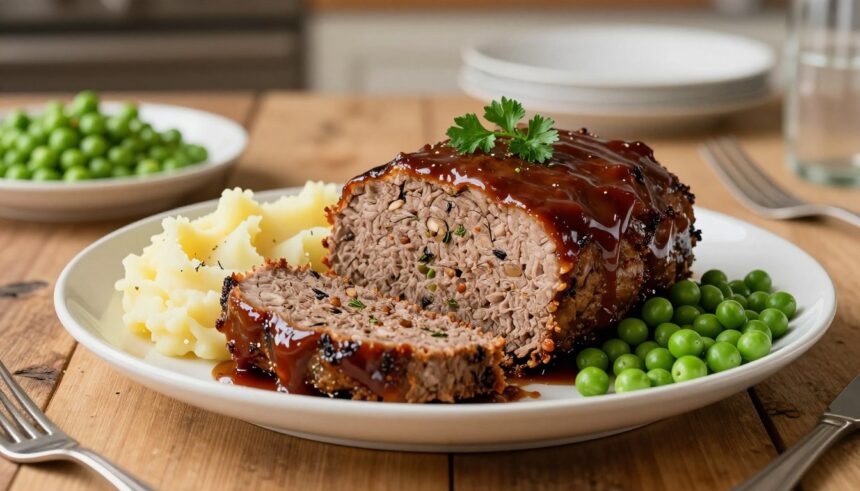
A juicy meatloaf packed with flavor and topped with a sweet and tangy glaze is the ultimate comfort food. This homemade delight is not only easy to make but also satisfying, making it a staple for any meal.
- The Perfect Comfort Food Classic
- Essential Ingredients for Juicy Meatloaf
- The Best Ground Meat Options
- Binding Ingredients: Eggs and Breadcrumbs
- Flavor Enhancers: Onions, Garlic, and Seasonings
- The Secret to the Best Meatloaf Glaze
- Step-by-Step Meatloaf Recipe
- Baking Methods: Loaf Pan vs. Baking Sheet
- Cooking Times and Temperature Guide
- Pro Tips for Moist and Flavorful Meatloaf
- Meatloaf Recipe Variations
- Make-Ahead and Storage Options
- Perfect Side Dishes for Meatloaf
- Creative Ways to Use Leftover Meatloaf
- Conclusion: Why This Meatloaf Recipe Will Become a Family Favorite
- FAQ
- What is the best type of ground beef to use for a classic meatloaf?
- How do I prevent my meatloaf from becoming too dense?
- What’s the purpose of using Italian seasoning in a meatloaf?
- Can I make a meatloaf ahead of time and refrigerate or freeze it?
- How long should I bake a meatloaf in a loaf pan at 375°F?
- What’s the best way to achieve a caramelized glaze on top of the meatloaf?
- Can I serve mashed potatoes with meatloaf?
- How do I store leftover meatloaf?
Our comprehensive guide walks you through creating a meatloaf recipe that’s both flavorful and moist. Unlike dry, bland versions, this recipe delivers incredible flavor and moisture in every bite, making it perfect for weeknight dinners or special occasions.
Key Takeaways
- Easy-to-follow instructions for a classic comfort food dish.
- A sweet and tangy glaze that caramelizes beautifully.
- A juicy meatloaf packed with flavor.
- Suitable for both weeknight dinners and special occasions.
- A straightforward recipe that’s hard to mess up.
The Perfect Comfort Food Classic
Meatloaf, when done right, is a masterclass in comfort food, combining simplicity with depth of flavor. My family’s experience with meatloaf has been transformative – from initial skepticism to becoming a beloved dish that everyone looks forward to. This shift in perception isn’t just about my family; it’s about how a well-crafted meatloaf can change the way we think about this classic comfort food.
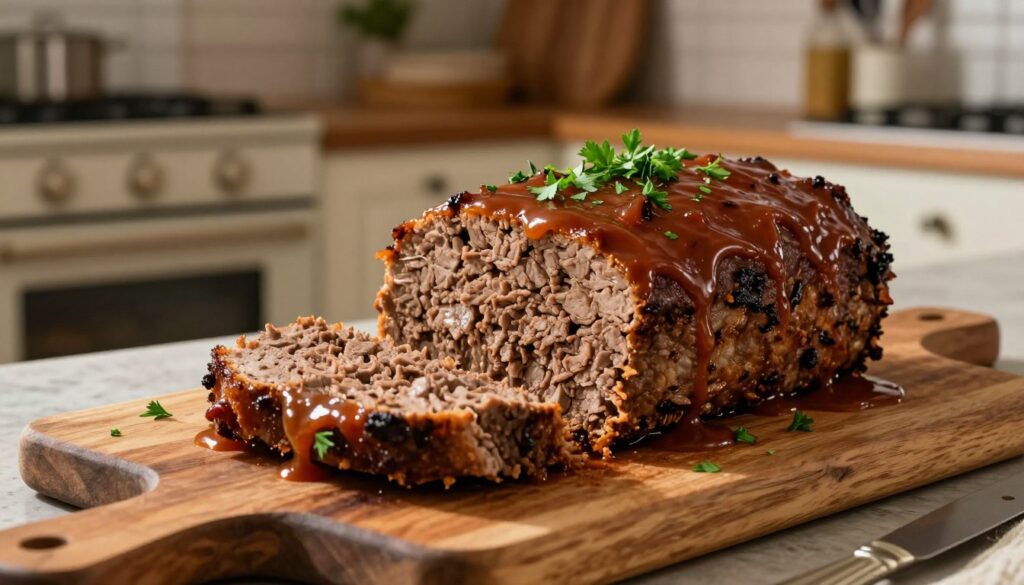
Why This Meatloaf Recipe Stands Out
This particular meatloaf recipe stands out because it addresses common issues like dryness and blandness through a careful balance of ingredients and cooking techniques. Unlike many recipes, this version incorporates a depth of flavor that makes it truly special. The result is a classic meatloaf that’s both tender and full of character.
What Makes a Great Meatloaf
A great meatloaf should have a tender, juicy texture that holds together when sliced. It balances savory meat flavors with aromatic vegetables and seasonings, all complemented by a sweet-tangy glaze. This balance is key to creating a dish that’s both comforting and exciting. By focusing on these elements, this recipe ensures a delicious outcome every time.
Essential Ingredients for Juicy Meatloaf
The key to a mouth-watering meatloaf lies in its essential ingredients. A well-crafted meatloaf requires a blend of high-quality components that work together to create a dish that is both flavorful and moist.
The Best Ground Meat Options
For the juiciest meatloaf, it’s recommended to use ground beef with an 80-85% lean to fat ratio. The fat content is crucial as it maintains moisture and flavor throughout the cooking process. While traditional recipes call for ground beef alone, you can also experiment with a blend of meats, such as combining ground beef with pork or adding Italian sausage for extra seasoning.
Binding Ingredients: Eggs and Breadcrumbs
Eggs and breadcrumbs are essential binding agents that give meatloaf its characteristic texture. Eggs provide protein that sets during cooking, while breadcrumbs absorb moisture and prevent the loaf from becoming too dense. Using milk-soaked breadcrumbs can enhance the tenderness of the meatloaf, as the milk hydrates the crumbs and helps tenderize the meat proteins.
Flavor Enhancers: Onions, Garlic, and Seasonings
Aromatic vegetables like finely diced onions and minced garlic create a flavor foundation. Onions add moisture, while garlic provides depth of flavor. Additional seasonings such as salt, pepper, Italian herbs, and Worcestershire sauce enhance the natural flavors of the meat without overwhelming them.
| Ingredient | Purpose |
|---|---|
| Ground Beef (80-85% lean) | Provides moisture and flavor |
| Eggs | Acts as a binding agent |
| Breadcrumbs | Absorbs moisture, adds texture |
| Milk | Hydrates breadcrumbs, tenderizes meat |
| Onions and Garlic | Adds flavor and moisture |

The Secret to the Best Meatloaf Glaze
The secret to an exceptional meatloaf lies in its glaze, a sweet and tangy sauce that caramelizes beautifully during baking. This crucial element transforms a good meatloaf into an extraordinary one.
Sweet and Tangy Glaze Ingredients
The classic meatloaf glaze combines ketchup as the base with brown sugar for sweetness and white vinegar for tanginess, creating a balanced sauce that complements the savory meat. Adding garlic powder and onion powder provides depth of flavor without the texture of fresh aromatics.
Glaze Variations to Try
For variation, you can experiment with different glaze options. Try adding a touch of mustard for extra tang or incorporating Worcestershire sauce for umami depth. You can also use BBQ sauce as a quick alternative. The key is to balance acidity and sweetness to enhance the meat’s flavor.
Step-by-Step Meatloaf Recipe
Let’s dive into the straightforward process of making a fantastic meatloaf with a sweet and tangy glaze. This recipe is designed to be easy to follow, ensuring a deliciously glazed final product.
Preparing the Meat Mixture
Begin by preheating your oven to 350°F and preparing a baking sheet with parchment paper or foil for easier cleanup. In a large bowl, combine all meatloaf ingredients, including ground beef, sautéed onions, breadcrumbs, eggs, milk, seasonings, and other flavor enhancers. Use your hands to gently mix the ingredients until just combined, being careful not to overmix the mixture.
Shaping Your Meatloaf
Shape the meat mixture into a loaf approximately 8 inches long, 4 inches wide, and 3 inches tall directly on the prepared baking sheet. This method allows for better browning and fat drainage compared to using a loaf pan.
Adding the Perfect Glaze
While the meatloaf is baking, prepare your glaze by combining all ingredients in a small bowl until smooth. After the initial 40 minutes of baking, carefully remove the meatloaf from the oven and brush the glaze evenly over the top and sides before returning it to the oven for the final cooking stage.
Baking Methods: Loaf Pan vs. Baking Sheet
When it comes to baking meatloaf, the choice between a loaf pan and a baking sheet can significantly impact the final result. The method you choose affects not only the texture and flavor but also the presentation of your dish.
Benefits of Free-Form Baking
Free-form baking on a baking sheet offers several advantages. It allows for better air circulation around the meatloaf, resulting in more even cooking and crispy edges. Additionally, excess fat can drain away from the meat, preventing a greasy final product. The increased surface area also provides more space for the glaze, maximizing flavor in each slice.
Using a Traditional Loaf Pan
Using a traditional loaf pan has its own benefits. It helps the meatloaf maintain a perfect rectangular shape, which is ideal for presentation and even slicing. To make the most of this method, line the pan with parchment paper for easier removal, and consider increasing the oven temperature to 375°F to compensate for reduced airflow.
| Baking Method | Advantages | Disadvantages |
|---|---|---|
| Free-Form Baking | Crispy edges, even cooking, less greasy | Less uniform shape |
| Loaf Pan | Uniform shape, easier slicing | Potential for greasiness, less crispy edges |
Ultimately, the choice between using a loaf pan and baking sheet depends on your personal preference and the desired outcome. Both methods can produce a delicious meatloaf when done correctly.
Cooking Times and Temperature Guide
Understanding the ideal cooking time and temperature is crucial for a perfectly baked meatloaf. Cooking times can vary based on the size of the meatloaf and the oven’s calibration.
How to Tell When Meatloaf is Done
The most reliable method to determine when meatloaf is done is by using an instant-read meat thermometer. For beef, the internal temperature should reach 160˚F, while for poultry-based meatloaf, it should reach 165˚F. A standard 2-pound meatloaf typically takes about 55-60 minutes to cook at 350°F.
Resting Time Importance
After removing the meatloaf from the oven, it’s essential to let it rest for 10-15 minutes before slicing. This resting period allows the juices to redistribute, making the meatloaf more tender and easier to slice. For smaller or larger meatloaves, adjust the cooking time accordingly – a 1-pound meatloaf needs about 45 minutes, while a 3-pound loaf requires approximately 1 hour and 20 minutes.
Pro Tips for Moist and Flavorful Meatloaf
Making a moist and flavorful meatloaf requires attention to detail and a few expert tricks. Whether you’re a seasoned cook or a beginner, these tips will help you create a deliciously juicy meatloaf.
Don’t Overmix the Meat
Overmixing is a common mistake that can lead to a tough meatloaf. Gently handle the meat mixture to avoid developing the gluten in the breadcrumbs and toughening the proteins. This simple technique ensures a tender and moist texture.
Sautéing Aromatics First
Sautéing onions and garlic before adding them to the meatloaf mixture can make a significant difference. This step develops their flavors and softens their texture, eliminating the harsh bite that raw onions can impart.
Adding Moisture Elements
Incorporating ingredients like milk-soaked breadcrumbs, ketchup, and eggs helps keep the meatloaf juicy. Using meat with adequate fat content, such as 80-85% lean ground beef, also provides natural moisture and flavor.
| Moisture-Adding Ingredients | Benefits |
|---|---|
| Milk-soaked breadcrumbs | Retains moisture |
| Ketchup | Adds flavor and moisture |
| Eggs | Binds ingredients and adds moisture |
Meatloaf Recipe Variations
The basic meatloaf recipe serves as a canvas for a wide range of creative variations. By altering the ingredients and seasonings, you can create a dish that’s tailored to your taste preferences.
Different Meat Combinations
While traditional meatloaf calls for ground beef, experimenting with different meat combinations can create exciting flavor variations. Try mixing ground beef with ground pork for richness or ground veal for tenderness. For a lighter option, substitute half the beef with ground turkey or chicken, ensuring it reaches an internal temperature of 165°F for food safety.
Gluten-Free Options
For those with gluten sensitivities, this recipe can be easily adapted by using gluten-free ingredients. Substitute panko breadcrumbs with gluten-free breadcrumbs or crushed gluten-free crackers to maintain the texture without compromising on flavor.
Adding Vegetables and Cheese
Enhance your meatloaf by adding finely diced or grated vegetables like bell peppers, carrots, or zucchini, which increase nutritional value and add moisture. Cheese lovers can incorporate shredded cheddar, mozzarella, or parmesan into the meat mixture or create a stuffed meatloaf with a molten cheese center.
| Variation | Ingredients | Benefits |
|---|---|---|
| Meat Combination | Ground beef, pork, veal, or Italian sausage | Richness, tenderness, and flavor |
| Gluten-Free | Gluten-free breadcrumbs, crackers | Accommodates dietary restrictions |
| Vegetables and Cheese | Bell peppers, carrots, zucchini, cheddar, mozzarella | Increased nutrition, moisture, and flavor |
Make-Ahead and Storage Options
Meatloaf can be made ahead of time and stored in various ways to suit your schedule. This flexibility makes it an ideal dish for meal planning.
Refrigerating Meatloaf
You can assemble the raw meatloaf mixture up to 2 days before baking. Simply shape it, wrap tightly in plastic wrap, and refrigerate. Cooked meatloaf can be stored in an airtight container in the refrigerator for 3-4 days.
Freezing Instructions
For longer storage, raw meatloaf can be frozen. Wrap it tightly with plastic wrap and then foil. Frozen raw meatloaf can last up to 6 months. Cooked meatloaf can also be frozen in portions for up to 3 months.
Reheating Tips
To reheat, thaw frozen meatloaf in the refrigerator for 24 hours. Reheat in the oven or air fryer. For refrigerated leftovers, slice and reheat gently in a skillet or microwave.
Perfect Side Dishes for Meatloaf
The right side dishes can elevate the flavor and enjoyment of meatloaf. For a family dinner, consider classic combinations that complement the rich flavor of meatloaf.
Classic Potato Sides
Creamy mashed potatoes are a quintessential companion to meatloaf, providing a perfect base for soaking up savory juices and tangy glaze. Other options include crispy roasted potatoes or traditional baked potatoes.
Vegetable Pairings
Balance the richness of meatloaf with fresh vegetable sides like roasted broccoli, baked asparagus, or glazed carrots. These options add a refreshing contrast to the meal.
Bread and Pasta Options
For heartier appetites, consider starchy sides like buttered egg noodles, macaroni and cheese, or dinner rolls. These are perfect for sopping up extra glaze and providing additional sustenance.
| Side Dish | Description |
|---|---|
| Mashed Potatoes | Creamy base for meatloaf juices |
| Roasted Broccoli | Fresh contrast to rich meatloaf |
| Buttered Egg Noodles | Hearty accompaniment for meatloaf |
Creative Ways to Use Leftover Meatloaf
Meatloaf leftovers are a treasure trove of culinary possibilities. With a bit of creativity, you can transform last night’s meatloaf dinner into entirely new and exciting meals that your family will love.
Meatloaf Sandwiches
A classic way to enjoy leftover meatloaf is in a sandwich. Simply slice the meatloaf, place it between two pieces of bread, add your favorite condiments, and enjoy. For an elevated twist, try making a meatloaf patty melt with caramelized onions and Swiss cheese on rye bread.
Repurposed Dinner Ideas
Leftover meatloaf can be repurposed in numerous ways. Crumble it into taco filling or use it in burritos for a Mexican-inspired dinner. You can also add diced meatloaf to a breakfast hash with potatoes and vegetables, topped with a fried egg. Store any unused portions in an airtight container in the refrigerator for up to 4 days or freeze for later use, making it easy to enjoy this recipe again.
When reheating, add a splash of beef broth to restore moisture. This simple trick ensures your leftover meatloaf remains juicy and flavorful, ready to be enjoyed in a new recipe.
Conclusion: Why This Meatloaf Recipe Will Become a Family Favorite
With its perfect balance of flavors and textures, this meatloaf recipe is sure to become a family favorite. The irresistible sweet-tangy glaze and moist texture make it stand out from other recipes.
This recipe offers versatility, allowing you to adapt it to your family’s preferences and dietary needs. The make-ahead options and creative leftover ideas ensure multiple meals from a single loaf. By following the detailed instructions, you’ll create a delicious meatloaf that embodies the best of homestyle food, bringing people together around the table.
FAQ
What is the best type of ground beef to use for a classic meatloaf?
For a juicy meatloaf, it’s recommended to use 80/20 or 85/15 ground beef, as the fat content helps keep the meat moist during baking.
How do I prevent my meatloaf from becoming too dense?
To avoid a dense meatloaf, don’t overmix the meat mixture, and make sure to handle it gently when shaping it into a loaf.
What’s the purpose of using Italian seasoning in a meatloaf?
Italian seasoning adds a blend of herbs that enhance the flavor of the meatloaf, complementing the beef with notes of oregano, basil, and thyme.
Can I make a meatloaf ahead of time and refrigerate or freeze it?
Yes, you can prepare the meatloaf mixture and shape it into a loaf, then refrigerate it for up to a day or freeze it for later use. When freezing, wrap it tightly in foil or plastic wrap.
How long should I bake a meatloaf in a loaf pan at 375°F?
Baking time may vary, but generally, a meatloaf takes about 45-60 minutes to cook through when baked in a loaf pan at 375°F. Use a thermometer to check for an internal temperature of 160°F.
What’s the best way to achieve a caramelized glaze on top of the meatloaf?
To get a nicely glazed meatloaf, brush the top with a mixture of ketchup, brown sugar, and Worcestershire sauce during the last 15-20 minutes of baking, allowing it to caramelize slightly.
Can I serve mashed potatoes with meatloaf?
Absolutely, mashed potatoes are a classic comfort food pairing that goes well with meatloaf, providing a satisfying and filling side dish.
How do I store leftover meatloaf?
Leftover meatloaf can be stored in an airtight container in the refrigerator for up to 3-4 days or frozen for later use. Reheat it in the oven or microwave until warmed through.