

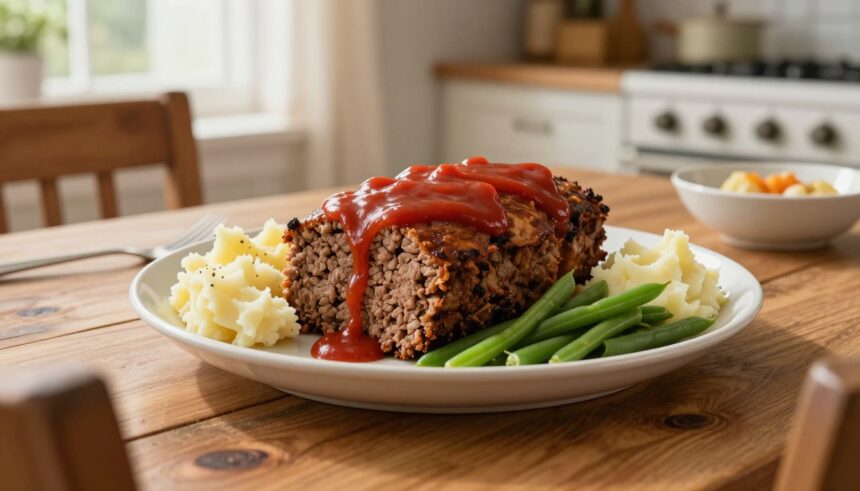
Imagine a warm, comforting meal that brings back memories of family dinners and cozy nights at home. For many, a homemade meatloaf is that dish. Martha Stewart’s family recipe, passed down from her mother, Martha Kostyra, is a perfect example of a classic comfort food that warms the heart.
- The History and Appeal of Meatloaf in American Cuisine
- Essential Ingredients for a Classic Meatloaf Recipe
- Kitchen Equipment You’ll Need
- Preparing Your Ingredients
- Proper Meat Handling Techniques
- Preparing Vegetables and Aromatics
- Measuring and Organizing Components
- Step-by-Step Mixing Method
- Mastering the Classic Meatloaf Recipe
- Cooking Your Meatloaf to Perfection
- Oven Temperature and Timing Guidelines
- Using a Meat Thermometer for Doneness
- Resting Period Importance
- Troubleshooting Common Meatloaf Problems
- Serving Suggestions and Side Dishes
- Storing and Repurposing Leftover Meatloaf
- Refrigeration Methods and Timeframes
- Freezing Techniques for Future Meals
- Creative Leftover Transformations
- Conclusion
- FAQ
- What is the best meat to use for a classic meatloaf recipe?
- How do I prevent my meatloaf from becoming too dense?
- What is the purpose of using breadcrumbs in a meatloaf recipe?
- Can I make a meatloaf without a loaf pan?
- How do I achieve a perfectly glazed meatloaf?
- What are some common side dishes that go well with meatloaf?
- How do I store leftover meatloaf?
- Can I freeze meatloaf before baking?
- How do I reheat leftover meatloaf?
- What are some creative ways to repurpose leftover meatloaf?
This classic meatloaf recipe is more than just a meal; it’s a tradition. It’s a dish that has been enjoyed for generations, and its simplicity makes it accessible to cooks of all levels. In this article, we’ll explore the history and appeal of meatloaf and guide you through making this delicious homemade meal.
Key Takeaways
- Learn how to make a classic homemade meatloaf using Martha Stewart’s family recipe.
- Discover the history and cultural significance of meatloaf as a comfort food.
- Understand the simplicity and versatility of this classic dish.
- Get tips on customizing the recipe to suit your taste preferences.
- Explore the benefits of cooking a homemade meal for your family.
The History and Appeal of Meatloaf in American Cuisine
Meatloaf has been a key part of American food for many years. It brings comfort and nostalgia to our plates. Its history goes back to the early European settlers who brought their meatloaf recipes to America.
Origins of Meatloaf as a Comfort Food
Meatloaf became a favorite comfort food because it’s hearty and affordable. It was a cheap way to feed big families with ingredients like ground meat, breadcrumbs, and veggies. Cooks could also try different seasonings and ingredients, making it versatile.
Why Meatloaf Remains a Family Favorite
Meatloaf is still loved in many American homes for its nostalgic and practical sides. Two main reasons for its lasting appeal are:
- Nostalgic value, bringing back memories of family dinners from childhood.
- Its status as a budget-friendly meal, making it a staple in many families.
Nostalgic Value in American Households
For many, meatloaf is more than a meal; it’s a link to their past and family traditions. The smell of meatloaf cooking brings back memories of home-cooked meals and family gatherings.
Budget-Friendly Meal Solution
Meatloaf is a cost-effective choice for families, made with affordable ingredients that can feed many. This practicality has made it a staple in American cuisine.
In summary, meatloaf’s history and appeal in American cuisine come from its comforting nature, nostalgic value, and practicality. It’s a dish that families all over the country still love.
Essential Ingredients for a Classic Meatloaf Recipe
Starting a classic meatloaf recipe means picking the right ingredients. This step is key to the dish’s taste and texture. The quality and mix of these ingredients can turn your meatloaf into a masterpiece.
Meat Selection and Ratios
Choosing the right meat is crucial for a great meatloaf. You can pick beef, pork, or veal, or mix them.
Beef, Pork, and Veal Options
Beef gives a strong flavor, pork adds moisture, and veal makes it tender. A mix of beef and pork is often chosen for a balanced taste.
| Meat Type | Characteristics | Ratio Suggestions |
|---|---|---|
| Beef | Robust flavor | 50-75% |
| Pork | Moisture content | 25-50% |
| Veal | Tenderness | Optional, up to 25% |
Fat Content Considerations
The fat in your meat mixture is key for a juicy meatloaf. Aim for a mix that’s moist but not too greasy.
“The key to a great meatloaf is in the meat mixture. You want a good balance of lean meat and fat to keep it moist and flavorful.” –
Binding Ingredients
Binding ingredients keep your meatloaf together. Breadcrumbs and eggs are the main ones.
Breadcrumbs and Alternatives
Breadcrumbs soak up moisture and add texture. You can also use crushed crackers or oats as substitutes.
Egg Quantity Guidelines
Eggs bind the meat mixture. One egg per pound of meat is a good starting point.
Aromatics and Seasonings
Aromatics and seasonings add depth to your meatloaf. Onions, garlic, and herbs are essential.
Onions, Garlic, and Herbs
Onions and garlic give a savory taste. Herbs like parsley and thyme add freshness.
Seasoning Balance Tips
Balance your seasonings to avoid overpowering the dish. Salt, pepper, and a hint of paprika can enhance the flavor.
Glaze Components
A glaze adds a sweet and tangy finish. A traditional ketchup-based glaze is a classic choice.
Traditional Ketchup-Based Glaze
A mix of ketchup, brown sugar, and vinegar makes a sweet and tangy glaze.
Flavor Enhancers for Glazes
Adding mustard or Worcestershire sauce to your glaze can add extra flavor.
Kitchen Equipment You’ll Need
Before you start making your easy meatloaf recipe, it’s essential to have the right kitchen equipment. You can choose between using a loaf pan or shaping the meatloaf freeform on a baking sheet. This depends on your preference and the desired presentation.
Loaf Pans vs. Freeform Shaping
Using a loaf pan helps maintain the meatloaf’s shape and can result in a more evenly cooked product. On the other hand, shaping the meatloaf freeform allows for a crisper crust on the outside.
Pan Size Recommendations
For a standard meatloaf recipe, a 9×5-inch loaf pan is typically recommended. If you prefer to shape your meatloaf freeform, a baking sheet lined with parchment paper is ideal.
Lining and Greasing Techniques
To prevent sticking, line your loaf pan with parchment paper or aluminum foil, leaving some overhang for easy removal. Lightly greasing the pan or parchment paper with cooking spray can also help.
Mixing Tools and Preparation Equipment
Having the right mixing tools is crucial for efficiently preparing your homemade meatloaf mixture.
Bowls and Utensils
Use a large mixing bowl to combine your ingredients. A wooden spoon or a stand mixer with a paddle attachment can be used to mix the meatloaf mixture thoroughly.
Meat Thermometer Importance
A meat thermometer is essential for ensuring your meatloaf is cooked to a safe internal temperature. This helps prevent undercooking or overcooking.
| Equipment | Purpose |
|---|---|
| Loaf Pan | Shapes the meatloaf and aids in even cooking |
| Baking Sheet | Used for freeform shaping, allowing for a crisper crust |
| Meat Thermometer | Ensures the meatloaf is cooked to a safe internal temperature |
| Mixing Bowls and Utensils | Used for combining and mixing the meatloaf ingredients |
Preparing Your Ingredients
To make a great meatloaf, you must handle your ingredients carefully. This step is key for a tasty classic meatloaf with ketchup or a traditional meatloaf recipe.
Proper Meat Handling Techniques
It’s important to handle meat safely to avoid contamination. Always wash your hands before and after touching raw meat.
Food Safety Considerations
Raw meat should be kept separate from other ingredients to prevent cross-contamination. Use different cutting boards and utensils for meat.
Temperature Guidelines
Raw meat should be stored in the fridge at a temperature below 40°F (4°C). Cook the meatloaf to at least 160°F (71°C) for safety.
Preparing Vegetables and Aromatics
Chopping vegetables finely helps them mix well with the meatloaf.
Chopping Methods for Even Distribution
Use a food processor or sharp knife to chop onions and bell peppers into small pieces.
Pre-Cooking Options for Vegetables
Sautéing vegetables before adding them to the meat mixture can make them taste better.
Measuring and Organizing Components
Using a mise en place approach helps organize ingredients efficiently.
Mise en Place Approach
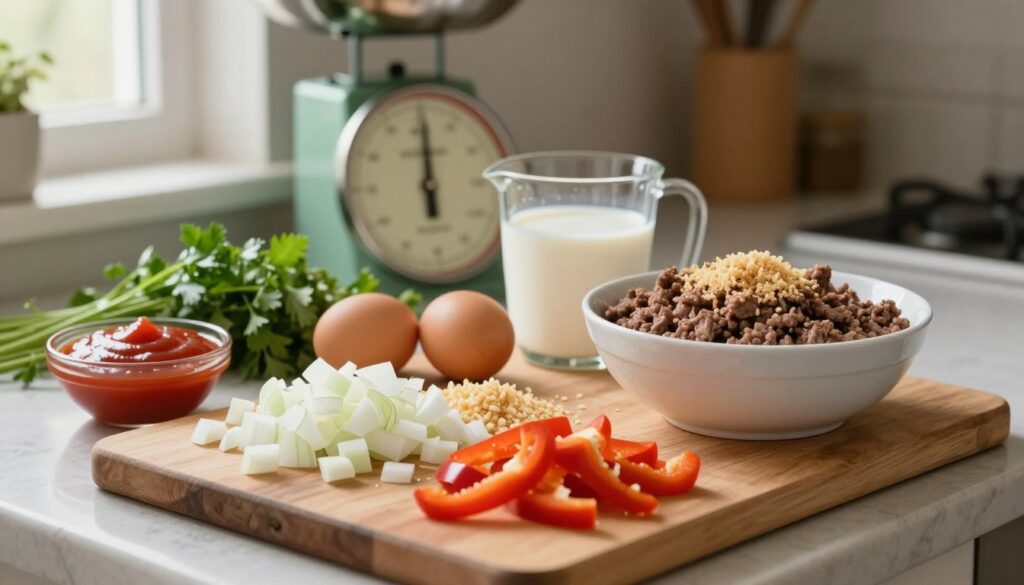
Measure all ingredients before mixing. This includes meats, binders, seasonings, and glaze components.
Scaling Ingredients Properly
Adjust ingredient quantities based on the number of servings you need. Keep the ingredient ratios consistent.
| Ingredient | Quantity for 4 servings | Quantity for 8 servings |
|---|---|---|
| Ground Beef | 1 lb | 2 lbs |
| Onion, finely chopped | 1/2 cup | 1 cup |
| Ketchup | 1/4 cup | 1/2 cup |
Step-by-Step Mixing Method
Mixing the perfect meatloaf is an art that needs patience and care. To get the best results, understanding the mixing process is key.
The Importance of Gentle Mixing
Gentle mixing is vital to avoid overworked meat. This can make the loaf dense. Mixing too hard or for too long can toughen the meat.
Avoiding Overworking the Meat
To prevent overworking, mix just until the ingredients come together. It’s better to have a slightly uneven mix than to overmix.
“The secret to a tender meatloaf is in the gentle handling of the meat mixture,” say culinary experts. This ensures your meatloaf stays moist and flavorful.
Hand Mixing vs. Tool Mixing
You can mix by hand or with a tool. Hand mixing gives more control, while tools are faster. Be gentle in either method for the best results.
Incorporating Wet and Dry Ingredients
The order of adding ingredients affects the meatloaf’s texture. Mix dry ingredients separately before folding them into wet ingredients.
Order of Addition
Begin with wet ingredients like eggs and milk. Then, fold in dry ingredients like breadcrumbs and seasonings gently.
Mixing Techniques for Even Distribution
Use a gentle folding motion for even distribution. This prevents overmixing and ensures a uniform texture.
Testing for Proper Consistency
The meatloaf mixture’s consistency is key. It should be moist but not wet, holding its shape.
Visual and Tactile Cues
Check by shaping a small portion into a loaf. If it holds and feels moist, it’s ready. Add more moisture if it’s too dry.
Adjusting Moisture Levels
If too wet, add breadcrumbs to absorb excess moisture. This helps achieve the perfect consistency for your meatloaf.
By following these steps and being mindful of your mixing technique, you’ll make a delicious homemade meatloaf. It will surely become a family favorite.
Mastering the Classic Meatloaf Recipe
A great meatloaf starts with mixing its parts carefully. This ensures all flavors work well together. It’s important to layer flavors and bind ingredients right.
Assembling Your Meatloaf Mixture
Mixing the meatloaf ingredients is key. Layering flavors effectively makes it taste rich and satisfying.
Layering Flavors Effectively
Begin by mixing aromatics and seasonings into the meat. This spreads flavors evenly. Adding chopped bacon or herbs adds more taste.
Ensuring Proper Binding
It’s vital to bind the meatloaf well to keep its shape. Eggs and breadcrumbs help a lot. Mix them well into the meat.
Shaping Techniques for Perfect Results
How you shape your meatloaf affects its look and taste. You can use a loaf pan or shape it on a baking sheet.
Loaf Pan Method
A loaf pan keeps the meatloaf’s shape and cooks it evenly. Press the mixture into the pan to ensure evenness.
Freeform Shaping on Baking Sheet
Shaping freeform on a baking sheet gives a crispy crust. Gently shape the mixture into a loaf and place it on the sheet.
Glazing Application Timing
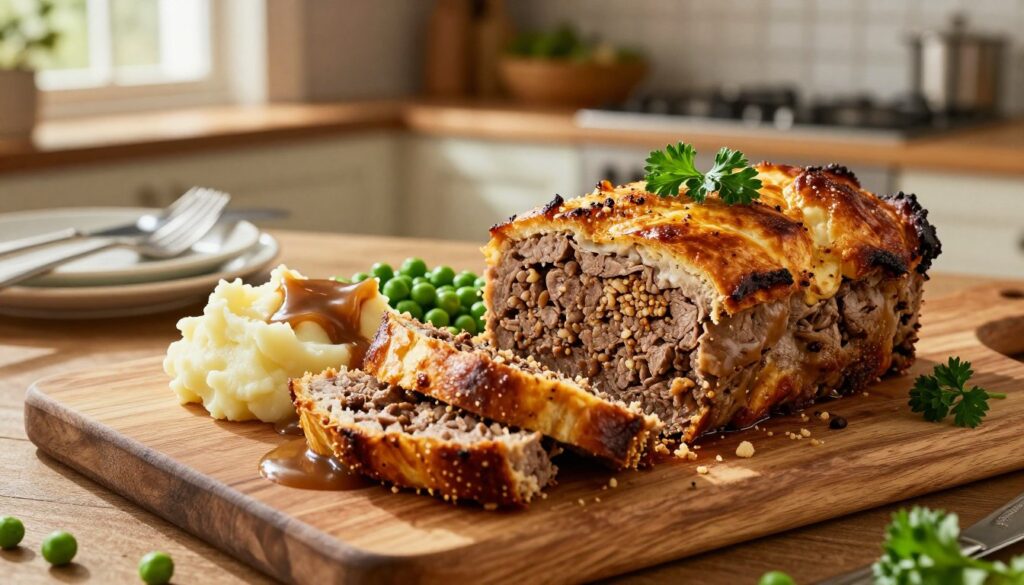
Glazing at the right time boosts flavor and looks. You can glaze it initially or during cooking.
Initial Glazing
Glazing first creates a caramelized crust. Make sure the glaze covers the meatloaf evenly.
Mid-Cooking Glaze Additions
Glazing mid-cook refreshes the flavor and look. Brush the glaze over the meatloaf in the last 20-30 minutes.
Mastering these steps makes a delicious homemade meatloaf. It’s sure to be a hit with your family.
Cooking Your Meatloaf to Perfection
Getting a mouth-watering meatloaf is all about mastering the cooking process. It’s key to cook it right for a tasty, safe, and flavorful homemade meal.
Oven Temperature and Timing Guidelines
To cook your meatloaf just right, knowing the oven temperature and timing is crucial. Most recipes suggest baking at 375°F (190°C).
Standard Cooking Times
A standard meatloaf usually takes 45-60 minutes to cook. But, the exact time can change based on its size and shape.
Convection vs. Conventional Oven Adjustments
Convection ovens cook more evenly and faster. You might need to cut down the cooking time by 15-20%.
Using a Meat Thermometer for Doneness
A meat thermometer is the best way to check if your meatloaf is cooked to a safe temperature.
Safe Internal Temperature Goals
For a classic meatloaf, aim for an internal temperature of at least 160°F (71°C).
Testing Multiple Locations
It’s wise to check the temperature in different spots to ensure even cooking.
| Meatloaf Size | Cooking Time | Internal Temperature |
|---|---|---|
| Small (1 lb) | 30-40 minutes | 160°F (71°C) |
| Medium (1.5 lbs) | 45-60 minutes | 160°F (71°C) |
| Large (2 lbs) | 60-75 minutes | 160°F (71°C) |
Resting Period Importance
Letting your meatloaf rest after cooking is crucial. It allows for carryover cooking and keeps it moist.
Carryover Cooking Considerations
During rest, the meatloaf will cook a bit more. This ensures it reaches a safe temperature all through.
Moisture Retention Benefits
Resting your meatloaf helps it stay juicy. It lets the juices spread evenly throughout the meat.
By following these tips, you’ll get a perfectly cooked meatloaf. It will be delicious and safe to eat. Remember, it might take a few tries to get it just right.
Troubleshooting Common Meatloaf Problems
Meatloaf can sometimes be too dry, crumbly, or unevenly cooked. But, these problems can be fixed. They often come from texture issues, flavor imbalances, or cooking mishaps.
Addressing Texture Issues
Texture problems like dryness or crumbliness can spoil a great meatloaf. It’s key to know why they happen.
Fixing Dry Meatloaf
Dry meatloaf often comes from overcooking or using lean meat. Use a meat thermometer to keep the internal temperature below 160°F (71°C). Adding finely chopped veggies or eggs can also help keep it moist.
Solving Crumbly Meatloaf Problems
Crumbly meatloaf means it didn’t bind well. To fix this, mix your ingredients just until they stick together. Avoid overmixing, as it makes the meatloaf dense and crumbly. Adding more egg or breadcrumbs can help with binding.
Flavor Balance Solutions
Flavor problems, like underseasoning or being too dense, can also affect your meatloaf. Adjusting seasoning and fixing texture can greatly improve it.
Adjusting Seasoning Levels
If your meatloaf tastes bland, try adding more herbs, spices, or salt. Taste your mixture before shaping the loaf.
Correcting Overly Dense Results
An overly dense meatloaf comes from overmixing or too much filler. Mix gently and balance meat and fillers correctly.
Cooking Challenges
Cooking issues like uneven cooking or a burnt exterior with an undercooked interior can be tough. Here are some solutions.
Uneven Cooking Remedies
For even cooking, shape your meatloaf uniformly. Use a loaf pan for a consistent shape. If not using a pan, rotate the meatloaf halfway through cooking.
Preventing Burnt Exterior/Undercooked Interior
A burnt exterior with an undercooked interior comes from high oven temperatures. Try lowering the oven temperature and cover the meatloaf with foil if it browns too fast.
By tackling these common issues, you can greatly improve your easy meatloaf recipe. Enjoy a delicious, classic comfort food recipe that everyone will love.
Serving Suggestions and Side Dishes
Make your simple meatloaf recipe even better with these serving suggestions and side dish ideas. The right sides can make a classic meatloaf with ketchup unforgettable.
Traditional Accompaniments
Classic pairings are always a hit. Serve your meatloaf with:
Mashed Potatoes and Gravy
This combo is both comforting and satisfying. The creamy mashed potatoes complement the meatloaf’s rich flavor perfectly.
Vegetable Pairings
Roasted or steamed veggies like green beans, carrots, or Brussels sprouts add color and health to your meal.
Modern Pairing Ideas
For a modern twist, try these pairing ideas:
Healthier Side Options
Quinoa salad or a fresh garden salad can offer a lighter contrast to the meatloaf.
Complementary Flavor Profiles
Pair your meatloaf with a tangy slaw or roasted sweet potatoes for a flavorful mix.
Presentation Tips for Family-Style Serving
Even for a casual meal, presentation is key. Here are some tips:
Slicing Techniques
Slice your meatloaf against the grain for tender, easy-to-eat portions.
Plating Arrangements
Arrange your slices on a platter with your chosen sides for a beautiful display.
“The only time to eat diet food is while you’re waiting for the steak to cook.”
Enjoy good food and be creative with your meatloaf and sides.
Storing and Repurposing Leftover Meatloaf
Don’t let leftover meatloaf go to waste. Learn how to store and repurpose it. Whether you’ve made a delicious homemade meatloaf or used leftovers from your best classic meatloaf recipe, proper storage is key. This way, you can enjoy it for days to come.
Refrigeration Methods and Timeframes
To keep your leftover meatloaf fresh, cool it quickly. Then, store it in an airtight container.
Proper Cooling Procedures
Let the meatloaf cool to room temperature within two hours. This stops bacterial growth.
Storage Container Recommendations
Use an airtight container or wrap it tightly in plastic wrap or foil. This keeps moisture in and other flavors out.
Freezing Techniques for Future Meals
Freezing is a great way to keep your leftover meatloaf fresh longer.
Portioning for Freezing
Slice the meatloaf into individual portions before freezing. This makes thawing what you need easier.
Thawing Methods
Thaw frozen meatloaf in the fridge overnight or use the defrost setting on your microwave.
Creative Leftover Transformations
Leftover meatloaf can be turned into new and exciting meals.
Meatloaf Sandwiches
Slice the meatloaf thinly and serve on a bun with your favorite toppings.
Repurposed Dinner Ideas
Crumble the leftover meatloaf into pasta sauce or use it as a topping for baked potatoes.
| Storage Method | Duration | Reheating Tips |
|---|---|---|
| Refrigeration | 3-4 days | Reheat in oven at 350°F |
| Freezing | 2-3 months | Thaw overnight, reheat in oven |
Conclusion
You now have the tools to make a delicious classic meatloaf recipe. It’s perfect for any occasion. This easy meatloaf recipe is both versatile and comforting.
It can be enjoyed in many ways, from a family dinner to repurposed leftovers. The classic comfort food recipe we’ve explored is sure to become a staple in your household. Its rich flavors and hearty texture make it ideal for a cozy night in or a special gathering.
By following the steps outlined in this article, you can confidently prepare a mouth-watering meatloaf. It will satisfy your family’s cravings. Whether you’re a seasoned cook or a beginner, this classic meatloaf recipe is an excellent addition to your culinary repertoire.
FAQ
What is the best meat to use for a classic meatloaf recipe?
For a classic meatloaf, mix ground beef, pork, and veal. You can adjust the mix to your taste. Beef and pork is a traditional choice.
How do I prevent my meatloaf from becoming too dense?
To avoid a dense meatloaf, don’t overmix the meat. Just mix until it comes together. Don’t overwork it.
What is the purpose of using breadcrumbs in a meatloaf recipe?
Breadcrumbs help bind the meat together. They add texture and help the meatloaf hold its shape.
Can I make a meatloaf without a loaf pan?
Yes, you can shape the meatloaf freeform on a baking sheet. This method helps it brown evenly and get a crispy exterior.
How do I achieve a perfectly glazed meatloaf?
For a perfect glaze, apply it in the last 20-30 minutes of cooking. Brushing it on during the last few minutes adds extra glaze.
What are some common side dishes that go well with meatloaf?
Mashed potatoes, roasted vegetables, and gravy are classic sides. Try a side salad or roasted sweet potatoes for something new.
How do I store leftover meatloaf?
Cool the meatloaf, then refrigerate or freeze it. Store it in an airtight container for 3-4 days or freeze for 3 months.
Can I freeze meatloaf before baking?
Yes, you can freeze it before baking. Wrap it tightly and freeze. Thaw overnight in the fridge and bake as usual.
How do I reheat leftover meatloaf?
Reheat it by slicing thinly and baking or microwaving. You can also reheat it in a skillet with oil or broth.
What are some creative ways to repurpose leftover meatloaf?
Use leftover meatloaf in sandwiches, with mashed potatoes and gravy, or as a salad or baked potato topping.