

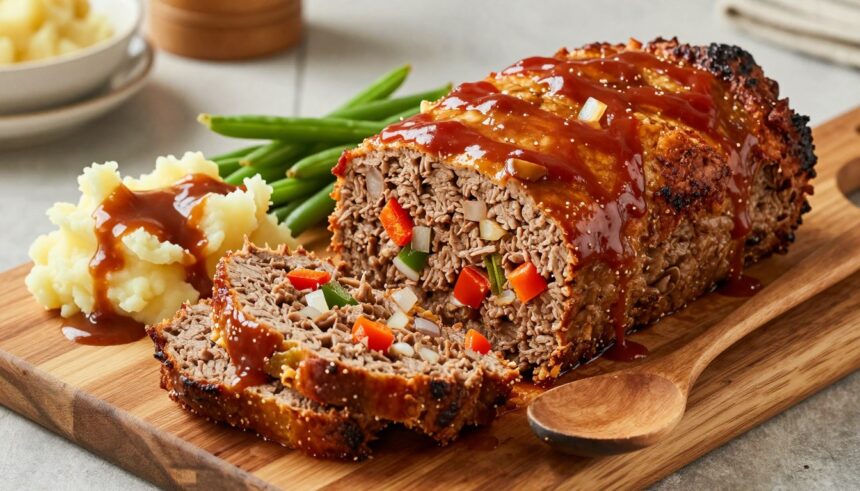
The smell of a home-cooked meal brings back memories of simpler times. It fills the kitchen with love and laughter. This classic comfort food is a shared experience that feeds the soul.
- Why This Easy Juicy Classic Meatloaf Recipe Works Every Time
- The Science Behind Juicy Meatloaf
- What Makes This Recipe Different from Others
- Why Families Love This Classic Comfort Food
- Essential Ingredients for the Best Meatloaf Recipe
- Choosing the Right Ground Beef Blend
- The Perfect Binding Agents for Moisture
- Fresh Vegetables That Add Flavor and Texture
- Seasonings That Create Classic Meatloaf Taste
- Kitchen Tools and Equipment You’ll Need
- Preparing Your Ingredients Before You Start
- Proper Ingredient Measurements and Ratios
- Chopping and Dicing Vegetables Correctly
- Bringing Ingredients to Room Temperature
- Step-by-Step Instructions for Making Easy Juicy Classic Meatloaf
- Combining Ingredients Without Overmixing
- Shaping Your Meatloaf for Even Cooking
- Preparing the Tangy Tomato Glaze
- Applying the Glaze for Maximum Flavor
- Baking Your Homemade Meatloaf to Perfection
- Optimal Oven Temperature and Baking Time
- Using a Meat Thermometer for Perfect Results
- The Crucial Resting Period
- Common Meatloaf Mistakes and How to Avoid Them
- Overmixing Creates a Tough Texture
- Using the Wrong Meat-to-Fat Ratio
- Skipping Important Steps That Affect Moisture
- Delicious Variations on Traditional Meatloaf
- Stuffed Meatloaf with Cheese
- Bacon-Wrapped Meatloaf for Extra Richness
- Italian-Style Meatloaf with Herbs
- Perfect Side Dishes for Your Family Favorite Meatloaf
- Classic Mashed Potatoes and Gravy
- Roasted or Steamed Vegetable Options
- Fresh Salads and Bread Pairings
- Storing and Reheating Your Delicious Meatloaf Dinner
- Refrigerator Storage Best Practices
- Freezing Meatloaf for Future Meals
- Reheating Methods That Maintain Moisture
- Creative Ways to Use Leftover Meatloaf
- Conclusion
- FAQ
- What is the secret to achieving an easy juicy classic meatloaf every time?
- How can I prevent my homemade meatloaf from falling apart when I slice it?
- What is the best way to add flavor to a traditional meatloaf?
- Can I freeze this easy juicy classic meatloaf for later use?
- Why does my meatloaf sometimes turn out tough or dense?
- What temperature should I look for to ensure a delicious meatloaf dinner?
- What are the best side dishes to serve with this classic comfort food?
Creating a meal that pleases everyone should be fun and easy. You want a recipe that always turns out tender and tasty. This family favorite meatloaf combines savory spices with a sweet glaze.
We’ll cover the top tips for a moist and flavorful dinner. From picking the right beef to perfecting the oven, we’ve got you covered. Let’s dive into the essential steps for this iconic American staple.
Key Takeaways
- Moisture Secrets: Learn how to achieve a tender texture without it falling apart.
- Meat Selection: Identify the ideal fat ratio for maximum flavor and richness.
- Glaze Perfection: Master a signature sweet and tangy topping that adds a beautiful finish.
- Prep Efficiency: Discover time-saving tips to simplify your busy weeknight routine.
- Temperature Control: Understand the exact internal temperature for a safe and succulent result.
- Resting Period: Find out why patience is the key to perfect, clean slices.
Why This Easy Juicy Classic Meatloaf Recipe Works Every Time
The secret to a delicious meatloaf is understanding the science behind it. Knowing what makes a meatloaf juicy and flavorful is key. This recipe stands out because of these principles.
The Science Behind Juicy Meatloaf
A juicy meatloaf needs the right mix of moisture and flavor. The meat mixture and cooking method are crucial. Ground meats with the right fat content are essential for moisture.
Moisture retention is helped by ingredients like eggs and breadcrumbs. They keep the meatloaf moist and structured.
What Makes This Recipe Different from Others
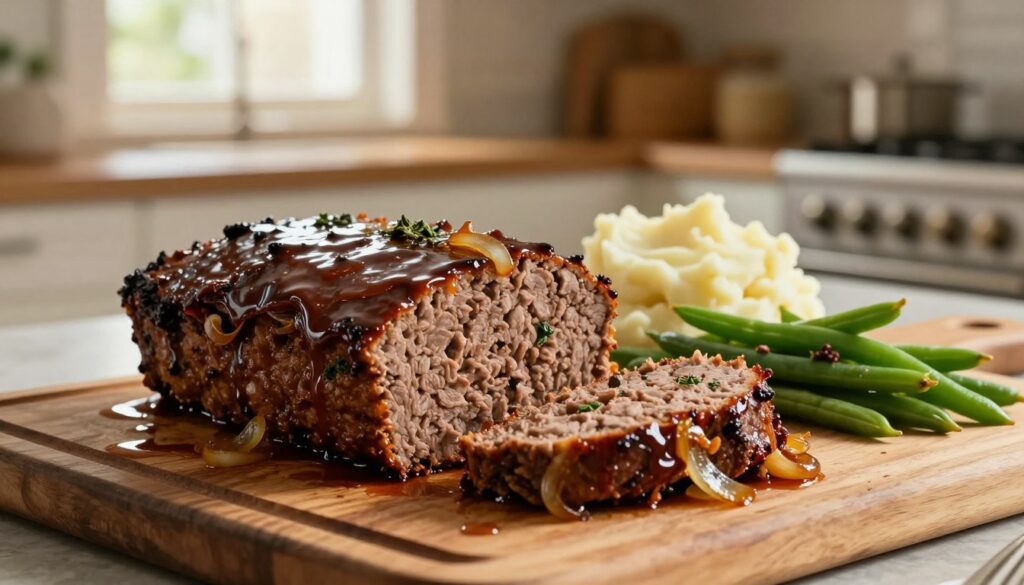
This recipe is special because of its unique ingredients and tangy tomato glaze. The glaze adds flavor and creates a caramelized crust. This makes the meatloaf more appealing.
| Key Ingredient | Role in the Recipe |
|---|---|
| Ground Beef Blend | Provides the base flavor and texture |
| Eggs | Acts as a binding agent |
| Tangy Tomato Glaze | Adds flavor and creates a caramelized crust |
Why Families Love This Classic Comfort Food
Meatloaf is a comfort food that brings back family dinner memories. This recipe is loved for its hearty, satisfying taste. It’s easy to make and enjoyable to eat.
The tender interior and flavorful glaze make it a hit with everyone. It’s great with many sides, like mashed potatoes or roasted veggies. This makes it a flexible choice for family meals.
Essential Ingredients for the Best Meatloaf Recipe
To make the best meatloaf, you need to know the key ingredients. These ingredients make the meatloaf juicy and full of flavor. They work together to create a dish that’s both satisfying and delicious.
Choosing the Right Ground Beef Blend
The foundation of a great meatloaf is the ground beef. Look for a blend with a mix of lean meat and fat. The best ratio is 80% lean meat and 20% fat. This mix keeps the meatloaf moist and flavorful.
Key characteristics of the right ground beef blend:
- 80/20 lean to fat ratio for optimal moisture
- Freshness of the meat to avoid off-flavors
- Using chuck or a mix of chuck, brisket, and short rib for depth of flavor
The Perfect Binding Agents for Moisture
Binding agents are key for a moist meatloaf. Eggs and breadcrumbs are the most common. Eggs bind the ingredients together, while breadcrumbs absorb excess moisture and keep the meatloaf tender.
Tips for using binding agents effectively:
- Use one egg per pound of meat as a general rule.
- Choose plain breadcrumbs over seasoned ones to control the flavor.
- Soak the breadcrumbs in milk or water to enhance their binding properties.
Fresh Vegetables That Add Flavor and Texture
Fresh vegetables add complexity to the meatloaf. They enhance both flavor and texture. Onions, bell peppers, and mushrooms are popular choices. Chop them finely to distribute evenly.
Seasonings That Create Classic Meatloaf Taste
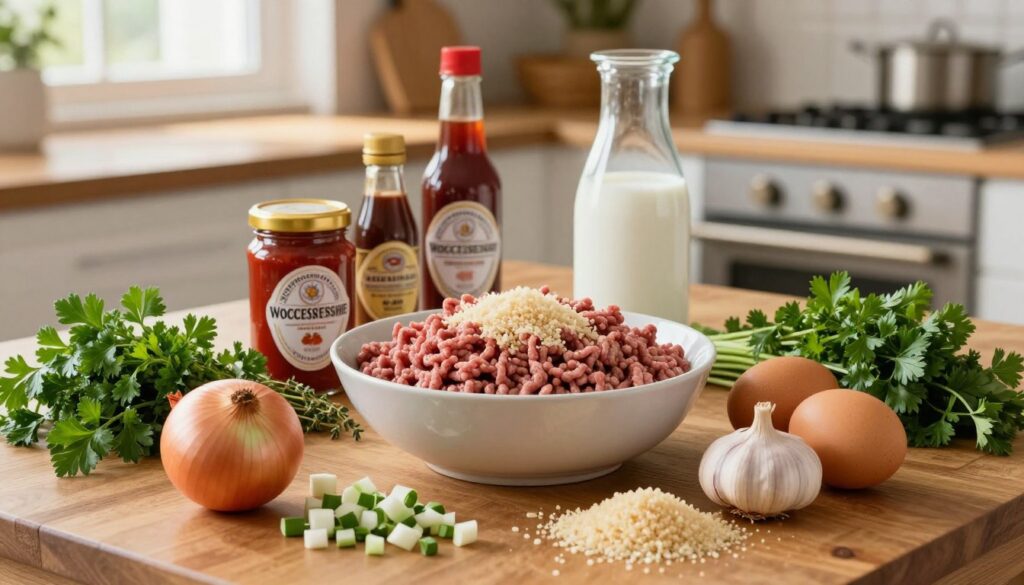
The right seasonings can make your meatloaf stand out. Classic seasonings include salt, pepper, garlic powder, and onion powder. Adding dried oregano or thyme can add extra depth.
Essential seasonings for a classic meatloaf taste:
- Salt and pepper for foundational flavor
- Garlic and onion powder for added depth
- Dried herbs like oregano or thyme for complexity
Kitchen Tools and Equipment You’ll Need
Having the right tools is key to making a tasty homemade meatloaf. To get your traditional meatloaf just right, you’ll need specific kitchen tools.
Essential Baking Pans and Dishes
You’ll need a good baking pan or dish for your meatloaf. A 9×5-inch loaf pan is perfect for shaping and even cooking. For a rustic look, try a large baking sheet or a broiler pan.
- A 9×5-inch loaf pan for a classic shape
- A large baking sheet for a more rustic presentation
- A broiler pan for a crispy crust
Mixing and Measuring Tools
Getting your measurements right is crucial for a great meatloaf. You’ll need measuring cups and spoons for the right amounts. For mixing, a large mixing bowl and a wooden spoon or stand mixer are must-haves.
Some other useful tools include:
- Measuring cups and spoons for accuracy
- A large mixing bowl for combining ingredients
- A wooden spoon or stand mixer for mixing
With the right kitchen tools and equipment, you’re set to make a delicious homemade meatloaf. Your family will love it.
Preparing Your Ingredients Before You Start
Before you start making your easy juicy classic meatloaf, it’s crucial to prepare your ingredients properly. This step is often overlooked, but it makes a big difference. Proper preparation ensures all ingredients mix together seamlessly, giving your meatloaf a uniform texture and flavor.
Proper Ingredient Measurements and Ratios
Accurate measurements are key in cooking, just like in baking. For your easy juicy classic meatloaf, the right ingredient ratios are essential. This includes the meat-to-fat ratio, binding agents, and seasonings. Using too much or too little of any ingredient can affect the final texture and taste.
To get the perfect balance, use a digital kitchen scale to measure your ingredients accurately. This ensures your meatloaf has the right consistency and flavor. A classic meatloaf typically has an 80/20 or 85/15 lean to fat ratio in ground beef, which helps keep it juicy.
Chopping and Dicing Vegetables Correctly
The way you chop and dice your vegetables can greatly impact your meatloaf’s texture and flavor. Uniformly chopped vegetables ensure they cook evenly and distribute their flavors throughout the meatloaf. Onions, bell peppers, and mushrooms are common additions that add moisture and flavor.
To chop vegetables correctly, use a sharp knife and cut them into small, uniform pieces. This not only enhances the appearance of your meatloaf but also ensures the vegetables are fully incorporated into the mixture. Avoid over-processing vegetables in a food processor, as this can make them too fine and lose their texture.
Bringing Ingredients to Room Temperature
Bringing your ingredients to room temperature before mixing is a simple yet effective step. This ensures the ingredients mix together more smoothly and evenly, resulting in a more consistent texture in your easy juicy classic meatloaf. Cold ingredients can cause the meat to firm up, making it harder to mix and shape.
To bring your ingredients to room temperature, remove them from the refrigerator about 30 minutes to an hour before you start preparing your meatloaf. This includes eggs, milk, and any other refrigerated ingredients. This simple step can make a significant difference in the final texture and flavor of your juicy meatloaf.
Step-by-Step Instructions for Making Easy Juicy Classic Meatloaf
Now that you’ve got all the ingredients, it’s time to make your Easy Juicy Classic Meatloaf. This guide will help you mix the ingredients, shape the meatloaf, and make a tangy tomato glaze. You’ll also learn how to apply it for extra flavor.
Combining Ingredients Without Overmixing
To keep your meatloaf juicy and tender, mix the ingredients gently. Start by breaking up the ground beef in a big bowl. Add the chopped onion, minced garlic, egg, breadcrumbs, salt, and your favorite seasonings. Mix everything together until it’s just combined. Don’t overwork the mixture, as it can make the meatloaf dense.
- Gently break up the ground beef.
- Add chopped onion, minced garlic, egg, breadcrumbs, salt, and seasonings.
- Mix until just combined.
Shaping Your Meatloaf for Even Cooking
Once your mixture is ready, shape it into a loaf. You can make it into a traditional shape or try something different. Place the shaped meatloaf on a baking sheet or loaf pan lined with parchment paper. Handle the meat gently to avoid making it too dense.
Preparing the Tangy Tomato Glaze
The tangy tomato glaze adds a rich, sweet, and tangy flavor to your meatloaf. Mix together ketchup, brown sugar, apple cider vinegar, and a pinch of salt in a small bowl. You can adjust the amounts to taste. This glaze is what makes your Easy Juicy Classic Meatloaf so special.
- Mix ketchup, brown sugar, apple cider vinegar, and salt.
- Adjust quantities to taste.
Applying the Glaze for Maximum Flavor
Before baking, brush the tangy tomato glaze evenly over the top of your shaped meatloaf. This adds flavor and helps create a beautiful, caramelized crust. Make sure to save some glaze to brush on during the last 15 minutes of baking for an extra layer of flavor.
By following these steps, you’ll make a delicious Easy Juicy Classic Meatloaf that will be a family favorite. This classic comfort food is perfect for any occasion, offering a hearty and satisfying meal.
Baking Your Homemade Meatloaf to Perfection
To make your homemade meatloaf juicy and flavorful, follow these baking tips. Baking is key and needs attention to temperature, timing, and technique.
Optimal Oven Temperature and Baking Time
The best oven temperature for baking meatloaf is between 350°F to 375°F (175°C to 190°C). Preheating your oven to the right temperature ensures even cooking.
The baking time depends on your meatloaf’s size. A standard-sized meatloaf usually takes 45 to 60 minutes to cook through.
Using a Meat Thermometer for Perfect Results
A meat thermometer is essential for perfectly cooked meatloaf. It removes the guesswork of knowing if your meatloaf is done.
The internal temperature should hit 160°F (71°C) for beef meatloaf. Insert the thermometer into the thickest part of the meatloaf for an accurate reading.
The Crucial Resting Period
After baking, it’s vital to let your meatloaf rest. This resting period helps the juices redistribute, making the meatloaf tender and flavorful when sliced.
Let it rest for at least 10 to 15 minutes before serving. By following these guidelines, you can make a delicious meatloaf dinner that your family will love.
Common Meatloaf Mistakes and How to Avoid Them
A juicy meatloaf is the ultimate comfort food. Yet, many cooks make mistakes that ruin their dish. To make the perfect meatloaf, you need to know what to avoid.
Overmixing Creates a Tough Texture
One big mistake is overmixing the meat. This makes the meat tough and dense. To fix this, mix your ingredients gently until they just come together. A bit of unevenness is okay; it keeps your meatloaf tender.
Using the Wrong Meat-to-Fat Ratio
The right mix of lean meat and fat is key for a moist meatloaf. Too much lean meat makes it dry, while too much fat makes it greasy. Aim for 80% lean meat and 20% fat for the best results.
Skipping Important Steps That Affect Moisture
Some steps are crucial for keeping your meatloaf moist. First, make sure your ingredients are at room temperature before mixing. This helps it cook evenly. Second, don’t overbake; use a thermometer to check the internal temperature. Lastly, let the meatloaf rest before slicing. This lets the juices spread, keeping it moist and tasty.
By avoiding these mistakes, you can make a perfect meatloaf every time. The secret is in the technique and paying attention to detail, not just the ingredients.
Delicious Variations on Traditional Meatloaf
Try these creative twists on the classic meatloaf recipe. The easy juicy classic meatloaf is loved by many. But, adding new ingredients and techniques can make it even more exciting.
Stuffed Meatloaf with Cheese
Stuffed meatloaf with cheese is a great way to add flavor. Use cheeses like cheddar, mozzarella, or provolone. Divide the meat into two parts, flatten them, and place cheese in the middle.
Then, fold the meat over to cover the cheese. Make sure to seal the edges well. This way, the cheese won’t leak out while baking.
Bacon-Wrapped Meatloaf for Extra Richness
Bacon-wrapped meatloaf is moist and smoky. You’ll need bacon and twine for this. Wrap the bacon around the meatloaf and tie it with twine.
This method adds a rich, savory taste. It’s sure to impress your family and friends.
Italian-Style Meatloaf with Herbs
For an Italian twist, add herbs like basil, oregano, and parsley. You can also use Italian seasonings. Top it with tangy tomato sauce for extra flavor.
These variations give the classic easy juicy classic meatloaf a fresh spin. Whether you prefer something cheesy, smoky, or herby, there’s a version for you.
Perfect Side Dishes for Your Family Favorite Meatloaf
Choosing the right side dishes can make your meatloaf dinner special. The perfect accompaniments can elevate the entire meal.
Classic Mashed Potatoes and Gravy
Mashed potatoes are a classic choice for meatloaf. They offer a comforting contrast to the savory flavors. To make them, boil diced potatoes until tender, then mash with butter, milk, and a pinch of salt and pepper. Adding grated cheddar or sour cream can make them even richer.
A rich, meaty gravy can enhance this classic pairing. Start by deglazing the pan with broth or wine, scraping up browned bits. Then, whisk in flour to thicken, followed by more broth to get the right consistency.
Roasted or Steamed Vegetable Options
For a lighter option, try roasted or steamed vegetables. Roasting brings out the sweetness in carrots, Brussels sprouts, or asparagus. Toss them with olive oil, salt, and herbs, then roast until tender and caramelized.
Steaming preserves the crunch and color of vegetables like green beans or broccoli. Add lemon juice and seasoning for extra flavor.
Fresh Salads and Bread Pairings
A fresh salad can offer a refreshing contrast to meatloaf. Try a simple green salad or a grain salad with quinoa and roasted vegetables. A tangy dressing adds flavor.
Bread is also a classic pairing. Choose warm dinner rolls or make a crusty baguette or garlic bread. The goal is to complement the meatloaf without overpowering it.
Here’s a summary of the side dishes discussed:
| Side Dish | Description | Preparation Time |
|---|---|---|
| Mashed Potatoes | Boiled potatoes mashed with butter and milk | 30 minutes |
| Gravy | Made from pan drippings and broth | 15 minutes |
| Roasted Vegetables | Vegetables roasted with olive oil and herbs | 25-40 minutes |
| Steamed Vegetables | Vegetables steamed until tender | 10-15 minutes |
| Fresh Salad | Mixed greens with various toppings and dressings | 15-30 minutes |
| Bread | Warm dinner rolls or crusty baguette | 10-20 minutes |
Storing and Reheating Your Delicious Meatloaf Dinner
To keep your homemade meatloaf fresh and tasty, follow the right storage and reheating tips. Proper handling keeps your delicious meatloaf dinner moist and enjoyable for later servings.
Refrigerator Storage Best Practices
First, cool your meatloaf to room temperature before refrigerating. This step prevents bacterial growth and keeps it fresh longer. Wrap it tightly in plastic wrap or foil and place in a covered container to keep it moist.
As Julia Child said, “The only time to eat diet food is while you’re waiting for the steak to cook.” This quote highlights the importance of enjoying your homemade meatloaf fully, even when reheating.
Freezing Meatloaf for Future Meals
Freezing extends your meatloaf’s shelf life. Wrap it in plastic or freezer paper, then foil to prevent freezer burn. Label it with the date and contents, and store at 0°F (-18°C) or below.
- Wrap the meatloaf tightly to prevent air exposure.
- Label the package with the date and contents.
- Store at 0°F (-18°C) or below.
Reheating Methods That Maintain Moisture
Reheating your meatloaf correctly is key. To keep it moist, reheat in the oven, covered with foil, at a low temperature (around 250°F or 120°C). You can also use a microwave, but avoid overheating to prevent drying out.
“The art of cooking is not just about following a recipe; it’s about understanding the science behind it.” This understanding is crucial when reheating your delicious meatloaf dinner to ensure it remains juicy and flavorful.
| Reheating Method | Temperature | Time |
|---|---|---|
| Oven | 250°F (120°C) | 20-30 minutes |
| Microwave | Medium power | 2-3 minutes |
Creative Ways to Use Leftover Meatloaf
Turn your leftover easy juicy classic meatloaf into something new. You can make tomorrow’s lunch or even breakfast with a few simple changes.
Classic Meatloaf Sandwiches
One easy way to use leftover meatloaf is in a sandwich. Slice it thin and put it on a crusty bread roll. Add your favorite toppings.
- Caramelized onions for a sweet and savory flavor
- Melted cheddar or provolone cheese for extra richness
- Fresh lettuce and tomato for a crunchy texture
- A tangy BBQ sauce or horseradish mayo for an added kick
Meatloaf Pasta and Casserole Ideas
You can also mix your leftover best meatloaf recipe with pasta or casseroles. Here are some ideas:
- Meatloaf Stroganoff: Toss cooked pasta with sliced meatloaf, sautéed mushrooms, and a creamy stroganoff sauce.
- Meatloaf Casserole: Layer diced meatloaf with pasta, marinara sauce, and melted mozzarella cheese for a comforting casserole.
- Meatloaf Pasta Bake: Mix cooked pasta with crumbled meatloaf, tomato sauce, and ricotta cheese, then top with mozzarella and bake until golden.
Breakfast Hash and Other Creative Uses
Leftover meatloaf is great for breakfast. Make a meatloaf breakfast hash by dicing it with potatoes, onions, and bell peppers. Serve with eggs and toast for a filling breakfast.
Other ideas include using it in stuffed peppers, as a topping for baked potatoes, or in omelets.
Conclusion
Now you know how to make a juicy and flavorful meatloaf easily. This classic dish is great for family dinners, gatherings, or meal prep. By following the steps in this article, you’ll make a moist meatloaf that everyone will love.
This recipe is simple and flexible. You can add your favorite herbs or cheese to make it your own. It’s perfect for both experienced cooks and beginners.
Try making this classic comfort food for your family. They’ll enjoy the effort you put into a hearty, satisfying meal. It’s perfect for any occasion.
FAQ
What is the secret to achieving an easy juicy classic meatloaf every time?
The secret to a juicy meatloaf is the fat-to-lean ratio and the binding agents. Use an 80/20 blend of Certified Angus Beef. Soaking Progresso Italian Bread Crumbs in whole milk creates a panade. This keeps the meat moist during baking, making it a family favorite.
How can I prevent my homemade meatloaf from falling apart when I slice it?
To keep your meatloaf together, let it rest for 10 to 15 minutes after baking. This allows the proteins to firm up and the juices to redistribute. A Pyrex loaf pan helps with even heat, keeping the meatloaf intact.
What is the best way to add flavor to a traditional meatloaf?
Add flavor with aromatics and a tangy glaze. Sauté onions and garlic in Kerrygold butter before mixing them into the meat. Finish with a glaze of Heinz Tomato Ketchup, brown sugar, and French’s Worcestershire Sauce for that classic taste.
Can I freeze this easy juicy classic meatloaf for later use?
Yes, you can freeze it before or after baking. Wrap it tightly in Reynolds Wrap heavy-duty aluminum foil and put it in a freezer bag. This makes it easy for meal prep, ready to bake when you need it.
Why does my meatloaf sometimes turn out tough or dense?
Tough meatloaf comes from overmixing. Mix the meat gently with your hands or a KitchenAid mixer on low speed. This prevents the fibers from compressing, resulting in a light, juicy meatloaf.
What temperature should I look for to ensure a delicious meatloaf dinner?
Use a Thermapen or digital meat thermometer to check the internal temperature. Your meatloaf is ready when it reaches 160°F. This ensures it’s cooked just right, without drying out.
What are the best side dishes to serve with this classic comfort food?
Serve it with traditional sides that match its rich flavors. Creamy mashed potatoes and roasted green beans or honey-glazed carrots are great choices. These sides enhance the meatloaf experience, making it a staple for Sunday dinners.